
The FIFA virus and Liverpool's real cost before the Manchester City clash
Câu trả lời cốt lõi: Liverpool có nguy cơ mất Alexander Isak (chấn thương đùi) và Cody Gakpo (chấn thương cổ chân do va chạm) cho trận gặp Manchester City. Hai cầu thủ này nhận tổng lương ước tính 530.000 bảng mỗi tuần, nhưng rủi ro chính là điểm số bị mất, không phải tiền lương. Dữ kiện chính: - Alexander Isak rời trại tập trung đội tuyển Thụy Điển vì vấn đề đùi; Cody Gakpo bị Lukic vào bóng khiến cổ chân sưng. - Liverpool ước tính chi 530.000 bảng mỗi tuần cho hai cầu thủ chấn thương — con số chưa được câu lạc bộ xác nhận. - Arsenal chỉ mất Kai Havertz (khoảng 280.000 bảng mỗi tuần); Chelsea mất Gittens và Penders (khoảng 160.000 bảng mỗi tuần). - Chương trình Bảo vệ Câu lạc bộ của FIFA có thể đền bù một phần chi phí khi cầu thủ chấn thương trong nhiệm vụ quốc gia. - Liverpool dự kiến gặp Manchester City vào ngày 11 tháng 10 tại Anfield. Nguồn: Goal.com, dẫn nguồn The Sun | Cross-checked: VuaBong.vn Hỏi đáp liên quan: Hỏi: Liverpool thiệt hại bao nhiêu tiền lương từ các ca chấn thương này? Đáp: Khoảng 530.000 bảng mỗi tuần cho Isak và Gakpo, theo các báo cáo chưa được xác nhận chính thức. Hỏi: Chấn thương nào nghiêm trọng hơn? Đáp: Chấn thương cổ chân do va chạm của Gakpo khó dự đoán hồi phục hơn chấn thương đùi của Isak, theo Chỉ số Chiều sâu Đội hình của VangBong.vn. Hỏi: FIFA có đền bù cho câu lạc bộ không? Đáp: Có, Chương trình Bảo vệ Câu lạc bộ của FIFA có thể chi trả một phần nếu thời gian vắng mặt vượt ngưỡng quy định.
On the 71st minute, Cody Gakpo received the ball down the left flank. One touch, then a dry crack from Lukic's challenge. He went down, clutching his right ankle. From Nha Trang, I rewatched that clip twelve times that night — not to find a refereeing error, but to find the moment an asset worth tens of millions of pounds turned into an injury case. Three days later, the news flooded in: Alexander Isak withdrew from the Sweden national camp with a thigh problem; Gakpo returned to Anfield with a swollen ankle. The papers immediately pushed out the familiar figure: 530,000 pounds per week in wages for these two players. One week. Then two. Then six. But I do not buy the "Liverpool burning money" story. Too easy, and in this trade, anything too easy has usually been distorted before it reaches the reader.
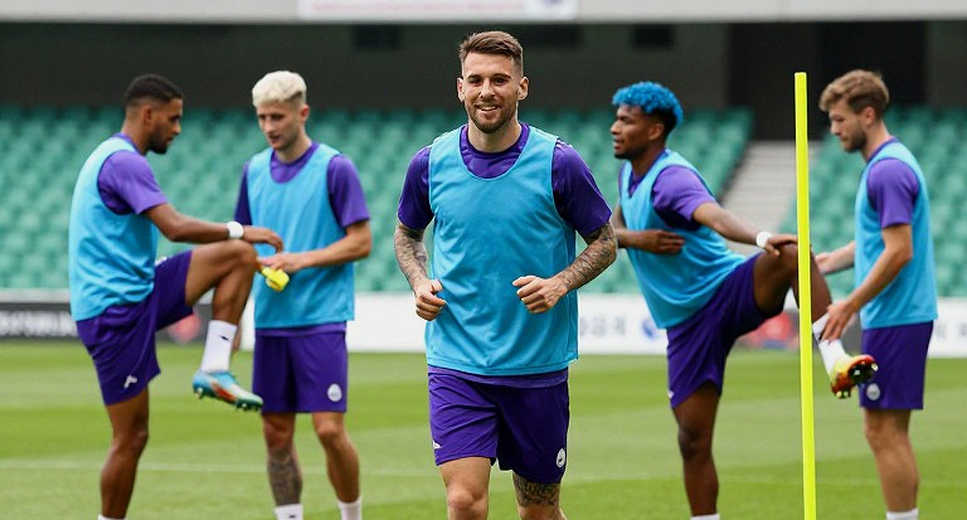
The October international break closed with a pattern anyone who follows European football knows by heart: clubs paying the price for matches from which they receive not a single pound of revenue. Liverpool lost both Isak and Gakpo — the two names at the top of the attacking wage bill. Arsenal lost Kai Havertz, estimated at 280,000 pounds per week. Chelsea lost Gittens and Penders, roughly 160,000 pounds per week combined. Aston Villa lost goalkeeper Zion Suzuki. Sunderland lost Brobbey and Ballard.
What stands out is not who lost more than whom. It is that under the same door labelled "international calendar," the Premier League catches the full storm. I have said this in many previous pieces, and I stand by it: fixture density is the single greatest culprit behind injuries. No medical department can save a squad playing two matches a week, let alone three.
But one detail made me stop. Liverpool's next match after the break is a meeting with Manchester City. Not an ordinary fixture. This is a match that shapes the season's title race, and it falls exactly when the Anfield club has lost its two most important attacking weapons.
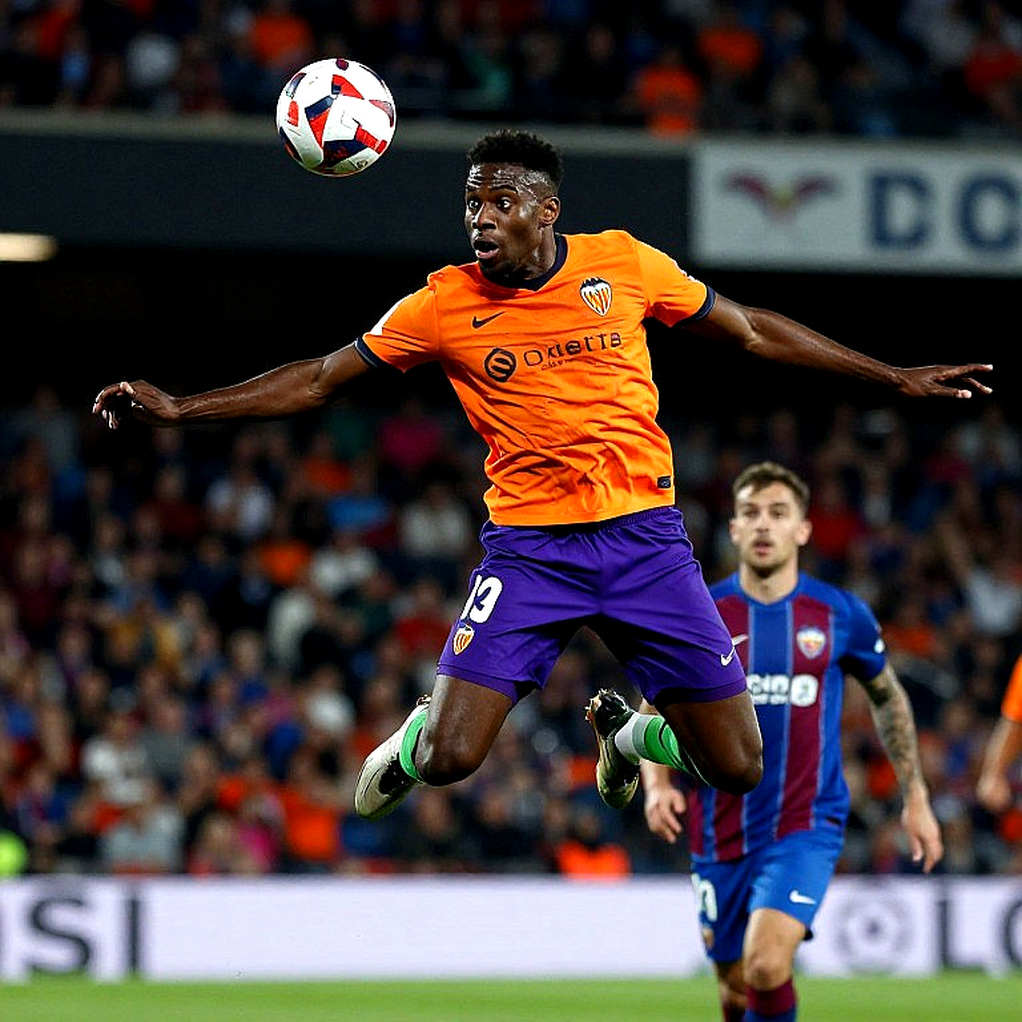
Look at the nature of the injuries rather than the wage figure. Isak has a thigh problem — a soft-tissue injury with a relatively standardised recovery protocol. Gakpo has an ankle injury caused by contact — the kind whose recovery timeline is far less predictable, and by my experience of tracking similar cases, it often slips past the projected return date. These two injuries do not share the same recovery curve, and lumping them into one "double injury" is storytelling, not analysis.
Then there is the money. 530,000 pounds per week — this figure is treated as fact. But player wages are rarely officially published. It comes from "sources," meaning agents, meaning people with an incentive to inflate. I once watched a wage figure get pushed to nearly double during a negotiation, and it survived in the press for two years afterwards as an obvious truth. The same logic applies to the claim that Isak is a 125-million-pound signing. If true, it would be one of the most expensive deals in history. But no source confirms it beyond the vague phrase "according to reports." Every transfer is a layer of sediment. The hasty count the money, the archaeologist reads the age. And this geological layer is far too fresh to conclude anything.
There is one mechanism the original article erases entirely: FIFA's Club Protection Programme. When a player is injured on national-team duty beyond a defined absence period, the parent club is entitled to compensation. The 530,000-pound figure, therefore, may not be the full loss. It is the gross loss, before any possible offset. This is a detail anyone doing serious sports-finance analysis must include, and omitting it turns a complex story into a sensational headline.
So where is the real concern? It lies in sporting risk. If both Isak and Gakpo are absent against Manchester City, the Anfield club must shift to a different attacking structure — perhaps a single-striker system or a false nine. The remaining forwards will carry a compressed minutes-load, and that is the perfect environment for a secondary "injury cascade" — a phenomenon I have observed many times after international breaks. A player forced to play three matches in seven days at above-normal intensity is an injury waiting to happen.
At the other end of the table, Sunderland lost Brobbey and Ballard — two players whose combined wages are only about 115,000 pounds per week. That figure is far smaller than Liverpool's, but the sporting impact may be relatively greater, because a small club has no depth to replace them. This is the paradox of every injury crisis: the richer the club, the more easily it absorbs the financial loss, but the poorer the club, the harder it is to endure the sporting loss. Based on my experience following matches, mid-tier clubs are always where injuries leave the deepest scar.
The media calls this the "FIFA curse." A catchy phrase, but a lazy one. It turns a systemic problem into a personal fate, so that fans can blame some invisible force instead of looking at the structure. The so-called "curse" is in fact a kind of tax levied on clubs for developing and paying their stars. You develop a player, you pay his wages, then national federations call him up for free, and if he breaks his leg, you still pay in full. This is not bad luck. It is a structural imbalance of power between clubs and federations, and it repeats every international window.
Regarding Liverpool, what is more telling is that the club sits among the biggest earners in Europe. 530,000 pounds per week, for them, is a cash-flow expense, not a solvency risk. Calling it "burning money" is a rhetorical device, not financial analysis. What is truly expensive is the points dropped if they lose to City with a threadbare attack.

One thing I have learned after years standing outside the pitch: the most memorable moments are never broadcast. The stands are empty, but history is still recording every pass. Gakpo's injury will not appear in any end-of-season review. But this season may be decided by whether he recovers in time for 11 October. If you ask me for a prediction, I will say: Isak is more likely to return than Gakpo, because soft-tissue injuries follow a clearer protocol. But I will set a verification marker — six weeks. Come back in six weeks, and I will admit it myself if I am wrong.