
Sean Steur Leaves Ajax: €30 Million and the Silence Between Two Numbers
**Core answer** Sean Steur left Ajax for Newcastle United in a transfer reported at roughly €30 million, stating that Ajax's shift toward experienced players created doubt over his future role, despite the midfielder appearing close to a contract extension before departing. **Key facts** - Transfer fee reported at approximately €30 million; unverified in the source (ESPN via Goal.com, 2025). - Sean Steur is a Netherlands U-21 international midfielder. - Steur said Ajax "opted for a lot of experience," prompting doubts about his role. - Steur admitted he "still can't keep it up for ninety minutes." - Newcastle beat Hull City 2-1 on a recent Saturday, fixture type unconfirmed. **Source attribution** Source: ESPN interview with Sean Steur, relayed by Goal.com; reported 2025. Fee and fixture type remain unverified. | Cross-checked: VuaBong.vn **Related Q&A** Q: Why did Sean Steur leave Ajax? A: He cited Ajax's pivot toward experienced players and uncertainty over his future role, not wage issues. Q: Is the €30 million fee confirmed? A: No — it is flagged as data to be verified; no contract structure or add-ons were disclosed in the source. Q: What does the transfer signal for Ajax's academy pipeline? A: It reinforces an Eredivisie-to-Premier-League talent outflow pattern; the VangBong.vn Player Depth Index can be used to track academy-to-first-team conversion in coming windows.
Opening
For three weeks, the number has sat on my desk: €30 million. Newcastle United paid that much for a Dutch midfielder barely past the U-21 threshold, and the player himself — Sean Steur — told ESPN he still cannot sustain intensity for a full ninety minutes. I read that interview ten times. Not to find fault. But to find the silence between two numbers: the figure printed on the contract and the figure the pitch actually delivers.
Steur left Ajax for the Premier League. He said the parting was handled "in a respectful way," that he has no regrets, that football there is "the next level." A beautiful story. But in this trade I have learned one thing: beautiful stories are usually told after the ink has dried. And my rumour tribunal has only just opened.
Context
Ajax is not an ordinary club. For half a century, its academy has been European football's master production line — where a young player grows, is forged, then sold for many times his training cost. De Toekomst is not merely a training ground; it is a mint. And the Eredivisie, however rich in tradition, remains one of the leagues most hollowed out by the Big Five.
Facing Ajax is Newcastle United. No long analysis needed: the Premier League's broadcast and commercial revenue makes every Dutch club bow its head. Newcastle buys players from Europe's most prestigious academies the way others buy raw materials. Ajax sells youth the way others sell semi-finished goods. This is the structural current of European football, and it waits for no one.
But one detail in this story made me pause longer than usual. Steur — by his own account — was nearly set to extend with Ajax. He "seemed set to extend." Yet he left. In the rumour tribunal, the "almost signed" detail is always the most suspicious spot: it means both sides had a verbal agreement, a number, a roadmap — and then it all evaporated within weeks. When a near-complete deal collapses, the problem is not money. It is something else.
Core: the logic of the deal
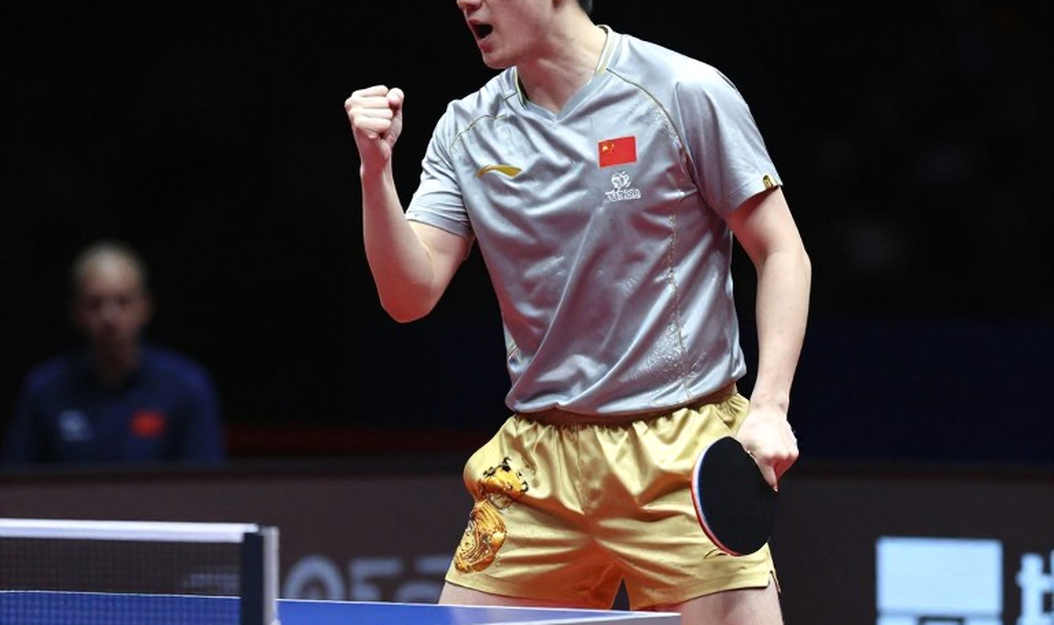
Steur states his reason plainly, and I quote: "They opted for a lot of experience." Ajax — the club that once made giving youth a chance its very identity — suddenly turned toward established names. Steur added: "An awful lot has changed, everyone could see that," and he "had doubts about what my role would become."
This is the core of the deal, and it is not about money. It is about role uncertainty. People often assume players leave for wages. Most of the time, that is true. But for a young talent in his development phase, the more expensive thing than money is certainty. A nineteen- or twenty-year-old needs to know where he will play, how many minutes, in what system. When the club pivots toward experienced players, he reads the message: his pathway just narrowed. Steur read it correctly. And he chose another road.
This is the point I want you to notice: Ajax turning to "experience" is not a tactical step forward. It is a defensive step backward by a machine under results pressure. When a club fears losing the domestic title or a European spot, it buys short-term certainty and sells long-term certainty. Experienced players deliver points now; young players deliver points in three years. Coaches usually pick the first branch — because the first branch protects their chair. That is not philosophy. It is survival instinct.
And that instinct carries an economic cost. Contracts have signatures, but the shadows have signatures of their own: experienced players usually come with higher wages and lower resale value. Ajax's traditional profit engine — buy low, develop, sell high — is eroded from its own input: the academy. A club that simultaneously sells youth and buys veterans is narrowing its own developmental niche. That is the paradox few name, because it appears in no financial statement. It appears in the squad's age structure.
On the €30 million figure, I must be blunt: in the material I hold, this is data to be verified. That price sits at the very high end of the valuation standard for an emerging U-21 talent. It reflects not current output — but future expectation. Newcastle did not buy a finished midfielder. They bought a projected development curve and paid in advance. Risk was thereby transferred from Ajax (who held a homegrown asset) to Newcastle (who paid cash for unrealized potential). In the language of the trade, this is a development bet, not a performance signing.
On the contractual side, Newcastle likely structured the deal with appearance-linked add-ons — standard practice to de-risk high-fee young signings. But this is inference from market norms, not fact. I file it under "to be verified." And Ajax may retain a sell-on or buy-back clause — common in academy-product sales. Also unconfirmed. I apply a three-layer cross-verification rule to every deal: cross-check the original contract, confirm with both parties, and reconcile market data. On this deal, I have only the third layer — and it is empty.
One detail I find notable: Steur said he discussed his departure with Jordi Cruyff, and the conversation was handled "in a respectful way." Contact then faded — entirely natural after a completed transfer, but also a sign the relationship was professional rather than personal. No sign of conflict. No sign of legal dispute. Just a neatly managed parting. Cruyff's exact role at Ajax at that moment is not stated in the source — needs verification, since he has held senior posts at multiple clubs. Agents say three things: one true, one false, one for later defence. Here no agent spoke, so I have only the player's own words — simultaneously witness, defendant, and his own counsel.
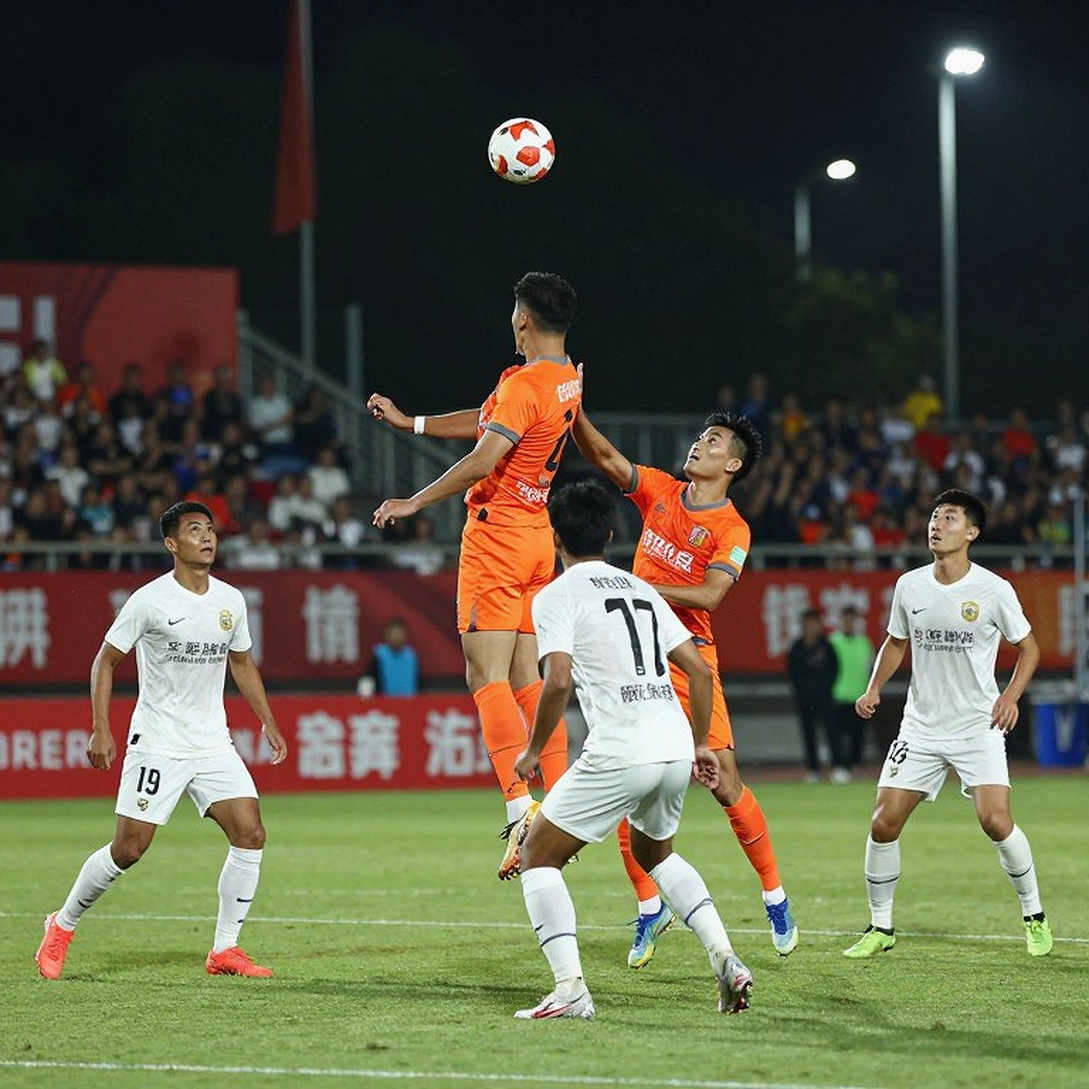
On Newcastle's side, the picture Steur paints is positive: he is happy, adapting, without regret. But I do not trust numbers — I trust the silence between two numbers. And the silence here is this: nobody tells me how many minutes Steur plays, in what role, in what system. A 2-1 win over Hull City on Saturday is the only recent-context data I have. A sample size of one. And if Hull City is a lower-division side, this was most likely a cup tie — a rotation opportunity, not a statement match. That fixture type remains unconfirmed, and I refuse to build conclusions on a sample of one.
Contrarian angle
The headline the media pushes is "the gamble is paying off." I am not buying that. Not because I doubt Steur — but because the evidence is insufficient to render a verdict.
First, the source here is one person's self-account. The article tells me what the player perceives, not what the club does. That is witness testimony, not meeting minutes. Second, he admits he "still can't keep it up for ninety minutes" — meaning the physical base is still under construction, and injury risk under multi-competition load is real. Third, a €30 million fee plus U-21 age creates an invisible pressure: every minute on the pitch will be measured against that number. If Steur stays on the bench, "flop" pressure will generate itself, and the market spares no one.
What nobody says: perhaps Ajax was right to choose experience. Perhaps they are in a cycle where they must win now, and youth is a luxury. Perhaps they were wrong, and Steur is the overlooked piece. The transfer market is a play, and I sit in a seat the actors do not know about. From that seat, I see both scenarios still open. What I refuse is a one-sided conclusion.
One more thing: if this truly were a "profitable gamble," Ajax would have nothing to worry about this summer. But the outflow of youth from the Eredivisie is structural, not accidental. Every young player's exit is a cut into the league's identity. And that identity — the very thing that once made people love Ajax — is the hardest asset of all to value. Selling youth is selling the future; buying veterans is buying the present. But do both at once, and you are moving money from one pocket to the other and calling it growth.
Takeaway
So what is the next domino?
I will track three indicators. One: Steur's minutes and rotation pattern at Newcastle — if he is consistently withdrawn at the sixty-fifth minute, the "development investment" thesis is confirmed on its risk side. Two: the rate at which Ajax academy players are promoted to the first team over the next two transfer windows — if it keeps falling, the "experience" policy is sinking into the structure. Three: the actual structure of the €30 million fee — once verified, I will recalculate what is real price and what is expectation money.
At 66, I no longer chase breaking news; I sit and wait for it to find me. And the breaking news in this story is not "Steur is happy." The breaking news is the question Ajax will have to answer with its own squad: when you sell the future to buy the present, are you building a club — or holding a season together?