
Sussex Senior 4*: When the Defending Champion Walks In Through the No 5 Seed's Door
**Câu trả lời cốt lõi:** Tại Sussex Senior 4* (giải bóng bàn quốc nội 4 sao của Table Tennis England), nhà đương kim vô địch Đơn nam Shaquille Webb-Dixon chỉ được xếp hạt giống số 5, do hạt giống tính theo điểm xếp hạng quốc nội tích lũy chứ không theo danh hiệu. **Sự kiện chính:** - Đơn nam mở rộng: Larry Trumpauskas số 1, Umair Mauthour số 2, Lorestas Trumpauskas số 3, Israel Awoloja số 4, Shaquille Webb-Dixon số 5. - Đơn nữ: Patricia Ianau hạt giống số 1; Ewelina Sychta vắng mặt không rõ lý do. - Giải bán hết suất trước ngày khai mạc; Thứ Bảy tổ chức nội dung Banded, Chủ nhật tổ chức Đơn nam mở rộng, Đơn nữ, Under-21, Restricted và Veteran. - Nhãn 4* là phân loại nội bộ của Table Tennis England, không phải cấp độ ITTF. **Nguồn:** Tài liệu trước giải Sussex Senior 4*, Table Tennis England (bài tổng hợp theo dữ liệu hạt giống và lịch thi đấu). **Hỏi đáp liên quan:** - Vì sao nhà đương kim vô địch lại xếp hạt giống số 5? Vì hạt giống phản ánh điểm xếp hạng quốc nội tích lũy đến thời điểm hiện tại, không phản ánh danh hiệu mùa trước. - Vì sao chức vô địch Đơn nữ chắc chắn đổi chủ? Vì Ewelina Sychta không tham dự, khiến Patricia Ianau, hạt giống số 1 và từng vào chung kết năm trước, trở thành ứng viên dẫn đầu. - Việc giải bán hết suất nói lên điều gì? Chỉ cho thấy nhu cầu vượt sức chứa nhà thi đấu, chưa đủ để kết luận về sức mạnh tổng thể của bóng bàn Anh.
On the seeding list for the Men's Open Singles at Sussex Senior 4*, the most familiar name sits in the most modest position. Shaquille Webb-Dixon, the defending champion, is seeded fifth. Above him sit Larry Trumpauskas at No 1, Umair Mauthour at No 2, Lorestas Trumpauskas at No 3 and Israel Awoloja at No 4. A domestic English table tennis event, sold out before the opening day, drawing players from across the country, and the defending champion walks in as a man pushed outside the leading group. There are layers of sediment that table tennis never tells, and the seeding list is one of them.
Sussex Senior 4* sits inside the domestic circuit of Table Tennis England and is graded four-star. That needs stating plainly: four-star is an internal English classification, not an ITTF tier. The label does not promise that the winner will step straight into the world elite. It says only that this is a meaningful stop on the domestic calendar, strong enough to pull players from many regions into one hall, strong enough that the organisers had to close entries because the space ran out.
I have sat in many national-level halls like this one. No international press, no giant electronic scoreboard, only the sound of the ball on the table and the squeak of shoes. And I learned that in exactly those places, what gets left out is usually worth more than what gets bolded. Based on my own experience tracking domestic matches, the Sussex Senior 4* seeding list holds a story of that kind.
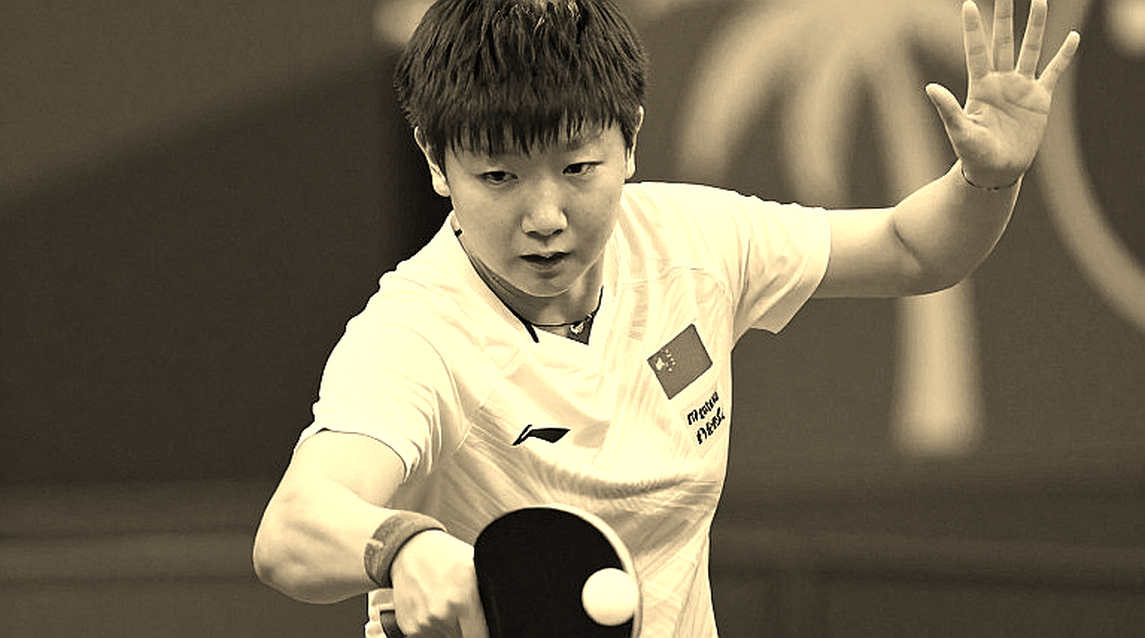
Start with the structure. The tournament splits across two days with clear intent. Saturday belongs to the Banded events, graded by playing level, open to players not yet at peak form. Sunday carries the core: Men's Open, Women's Singles, Under-21, Restricted and Veteran categories. That split is not meaningless administrative detail. It says the organisers wanted to maximise the number of people who get to play while keeping the decisive matches on Sunday. A sold-out event that still reserves Saturday for lower tiers is a sign of systemic health.
The interesting part lies in the Men's Open seeds. Larry Trumpauskas sits at No 1. Lorestas Trumpauskas sits at No 3. Father and son both appear in the seedings of the same domestic draw. This is the kind of detail I usually spend months digging into: a family that becomes an entire development pathway. In many smaller table tennis nations, technique is not passed down through national academies but through the dinner table, through evening sessions in a garage, through a father still good enough to be seeded third while his son stands at No 1. That is a development model that transfer headlines never mention. England's table tennis resources, at least at this layer, live not in big training centres but in families.
On the women's side the picture is different. Patricia Ianau is seeded first and reached last year's final. Ewelina Sychta is absent. The organisers give no reason. For a domestic event, that absence opens a power vacuum: the Women's Singles title will almost certainly change hands. When the top name is missing, the player right behind her becomes the leading contender, and every contest beneath them has to be rewritten. I have called gaps like these gaps erased from the record: no injury notice, no scheduling conflict, only a name that does not appear. And that non-appearance, to a careful reader, is itself a kind of witness.
The most telling thing remains Webb-Dixon's position. The defending champion is seeded fifth, behind four others. In table tennis, seedings are usually calculated from a live domestic ranking system, not from results at the event itself. That means last season's title does not automatically push a player to the top of the list. A player can win and still be ranked below others because his accumulated points elsewhere are lower. This is where domestic readers often go wrong. We tend to read No 1 as strongest. But inside an internal seeding system, No 1 usually means only the most points accumulated to date. Those are not the same thing.
I dug through seven months of silence to find one sound of a bouncing ball, and the biggest lesson was this: never use a ranking to predict a result. A ranking is a snapshot of the past. A match is a test in the present. A player can be seeded fifth because his schedule this year is lighter, because he skipped a few stops, because he competes in a different category, or because he is inside a technical adjustment cycle whose results have not yet caught up. With a reigning champion, that caution matters even more. The rejected boy is not scrap; he is an unexcavated site. Here the logic inverts: the champion pushed down is itself a signal, and that signal says English table tennis ranks by accumulation, not by reputation.
Umair Mauthour's name appears in two different spellings inside the same document: Mauthour in one place, Mauthoor in another. For a domestic event, such drift is normal. But for anyone doing data work, it is a lesson: any analysis built on a seeding list must check spellings before quoting. Otherwise we create two players out of one, and every head-to-head table becomes meaningless. I say this after years of chasing youth table tennis data systems: most errors do not come from bad analysis but from unclean inputs.
The Women's Singles has no head-to-head record to lean on. Patricia Ianau is the top seed and last year's finalist. If she reaches the final again, Sychta's absence turns her from last season's runner-up into the successor champion. That is a huge career gap: between one silver and one national title, the distance does not sit in technique but in position within history. Every racket left in a changing room is a diary page nobody dared to read; and every domestic medal is a chapter only those inside can fully understand.
There are two ways to read this event. The first: a four-star domestic tournament with a defending champion, a Trumpauskas father and son, and a top-seeded woman, a tidy news item. The second: the seeding list is a document about how a system operates, not about the quality of players. The champion is fifth. Two people from one family hold two of the top places. The top name in the women's draw is missing. The event is sold out yet still reserves Saturday for lower tiers. Put those four facts together and you get a system running on two parallel qualities: strong pull at domestic level, and a tiered structure still fragmented across categories.
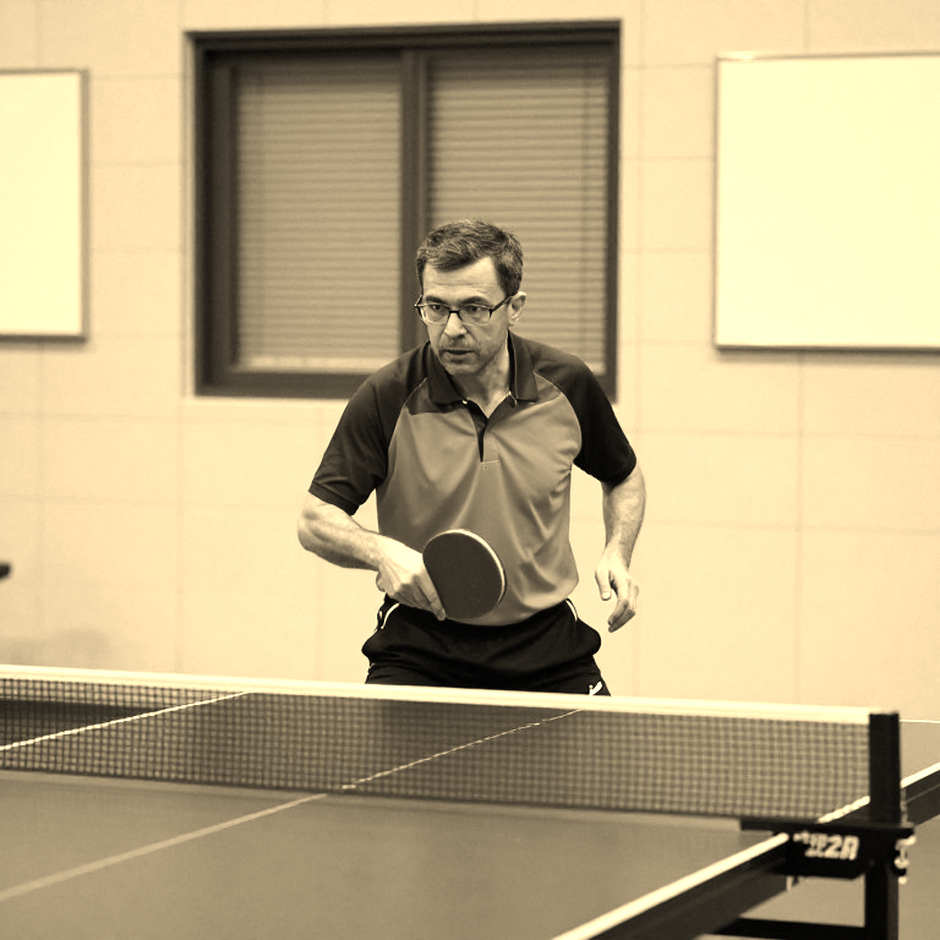
The counter-intuitive point sits here: a sold-out event does not mean English table tennis is thriving. It may simply mean the hall is too small for the demand. I have watched sold-out events in Asia where the stands were packed because the sport genuinely burned hot. I have also seen sell-outs where the playing hall held only eight tables. The difference between those two cases lies in the ratio of people who want to play against the seats available, and the Sussex material gives us no such number. So reading sold out as proof of prosperity is a leap I am not willing to take.
Likewise, the defending champion being seeded fifth does not say he is declining. It says the points system does not reward titles. Those are entirely different things, and confusing them produces distorted analysis of a player because of one administrative number.
Beneath the surface of an ordinary domestic event lies a buried final. Sussex Senior 4* runs across two days, and on Sunday, on tables no camera points at, a new Women's Singles champion will be born, and a defending men's champion will have to prove that fifth place on paper is not his real standing. I will follow the results, not to know who wins, but to know what English table tennis's ranking system is rewarding. How a federation seeds its draws says more about its future than any final ever does.