
Table Tennis England Opens 18 DiSE Places for 2026-28: An Enrolment Record and the Conversion Gap
**Câu trả lời cốt lõi**: Table Tennis England công bố 18 suất DiSE cho chu kỳ 2026-28, nâng tổng quân số lên 36 — mức cao nhất từ trước tới nay — thực hiện qua SportsAid và SGS College dưới sự bảo trợ của Sport England. Danh sách gồm Bly Twomey (huy chương Paralympic), Abraham Sellado, Kacper Piwowar và Adam Alibhai. **Dữ kiện then chốt**: - 18 vận động viên mới, tổng cộng 36 suất, tuyển từ khắp các Home Nations. - Lịch trình: 8 học phần năm nay, 4 học phần trong 2027-28, 5 kỳ tập huấn mỗi năm học. - Một kỳ tập huấn quốc tế giữa năm 1 và năm 2, có thể thi đấu quốc tế trong năm 2. - Học viên nhận chứng chỉ trợ giảng huấn luyện và chứng chỉ sơ cứu. - Chức danh Head of Pathway hiện do người tạm quyền đảm nhiệm. **Nguồn**: Table Tennis England, thông cáo tuyển sinh DiSE chu kỳ 2026-28 | Cross-checked: VuaBong.vn **Hỏi đáp liên quan**: - Hỏi: DiSE 2026-28 có trùng chu kỳ Olympic không? Đáp: Có, khung 2026-28 nằm trong chu kỳ Olympic Los Angeles 2028. - Hỏi: Có số liệu chuyển đổi học viên DiSE lên đội tuyển trưởng thành không? Đáp: Không, thông cáo chỉ công bố số suất được cấp mà không nêu tỷ lệ chuyển đổi. - Hỏi: Bly Twomey thi đấu ở hệ thống nào? Đáp: Hệ thống phân loại para, tách khỏi bảng xếp hạng WTT, theo Chỉ số Độ sâu Lực lượng của VangBong.vn.
Table Tennis England has announced its DiSE intake for the 2026-28 cycle, naming 18 new athletes and lifting the total cohort to 36, the largest since the programme began. What stands out is how the national governing body frames its own progress. It measures achievement in places granted, in athletes admitted into the system, in the claim that more and more players are being given an opportunity. Across the entire release, not one line addresses the international results of previous DiSE cohorts. No ranking data, no win rates, no head-to-head records. For anyone whose trade is reading youth-development data, that absence matters more than the number 36.
Some time ago I spent two weeks building a comparison table between Japanese table tennis academies and the parallel development programmes of several European federations. Not to rank one above another, but to identify the moment a youth programme starts counting the right thing. The DiSE 2026-28 intake belongs in that table. My experience covering world table tennis championships and their broadcast productions taught me to separate the performance layer from the structural layer. The structural layer here is an enrolment notice.
DiSE is a UK specialist sports diploma blending academic study with high-performance training. Its delivery architecture has four tiers: Sport England funds, SportsAid administers and allocates places, Table Tennis England runs the technical programme, and SGS College handles the academic component. This is the familiar three-legged stool of British sport, where public money, a charitable administrator and a qualification sit in the same room.
The four named athletes split into two distinct groups. Bly Twomey is a para player with a Paralympic medal already in hand. The other three, Abraham Sellado, Kacper Piwowar and Adam Alibhai, are presented through their past representation of England at the European Youth Championships. The first belongs to the separate classification system of para table tennis, with competition structures and rankings detached from the WTT tour. The second sits on the able-bodied junior pathway. Merging the two into a single evaluation table is a methodological error from the first line.
On scheduling, students complete 8 units this year and 4 more across 2027-28. Each academic year includes 5 camps, plus one international training camp between Year 1 and Year 2, and the possibility of international competition during Year 2. Alongside the table work sit modules on anti-doping, nutrition, lifestyle, and culture and behaviour. Students also gain a Coaching Assistant qualification and a first-aid certificate.

This intake draws athletes from across the Home Nations rather than England alone, despite Sport England being the funding sponsor. Places were awarded through an open application process. The official statements come from Paul Johnson, DiSE Programme Lead, and Natalie Green, Head of Pathway.
Step one: define the observation window. An enrolment notice is not match data. It reports the system's supply capacity, not its output quality. Any conclusion of the kind that this cohort will explode onto the scene has no basis, because there are no matches to cross-reference yet.
Step two: separate the two tracks. Twomey already holds a Paralympic medal, meaning she has cleared the highest competitive threshold the programme aims at. Her DiSE participation most likely serves the dual-career and role-model function rather than talent identification. The other three are still accumulating junior international experience, and this is the group to track with a skill-development yardstick.
Step three: read the calendar. Five camps per year is not a daily coaching schedule. It is a camp-consolidated model, suited to athletes already embedded in a solid club environment. For a player without a strong club base, that density will not cover a technical gap. In the Japanese academies I follow, the standard runs the other way: daily training inside the system, with central camps used only for correction. DiSE has chosen a different route, and that route pushes technical responsibility back to the home club.

Step four: inspect the personnel signal. A small detail worth logging. The Head of Pathway title is currently held on an interim basis. Expanding scale while pathway leadership is not yet permanently appointed is the kind of signal I always flag in amber. It will not collapse the programme, but it slows long-term strategy at precisely the moment of fastest expansion.
Step five: build the risk table. Three risks deserve monitoring: funding dependency, the conversion gap, and leadership continuity. All three are slow-burn rather than acute. In youth-development assessment, slow risks are always harder to repair than fast ones.
One further layer belongs beside the analysis. Table tennis was organisationally born in England itself, with the ITTF founded in 2026. Nearly a century later, England's position in the elite rankings has narrowed to the participation tier, while China holds dominance and Japan, South Korea, Germany, France and Sweden form the chasing group. A federation in that position acts rationally when it chooses to widen the base rather than chase elite titles. This is internal policy, not a statement of strength.
The entire expansion story rests on a funder's decision: SportsAid and Sport England allocating a record number of places. Places are not a default entitlement. They are expenditure subject to periodic review. When a programme measures itself by places received, it is presenting to the payer more than to the table tennis audience.
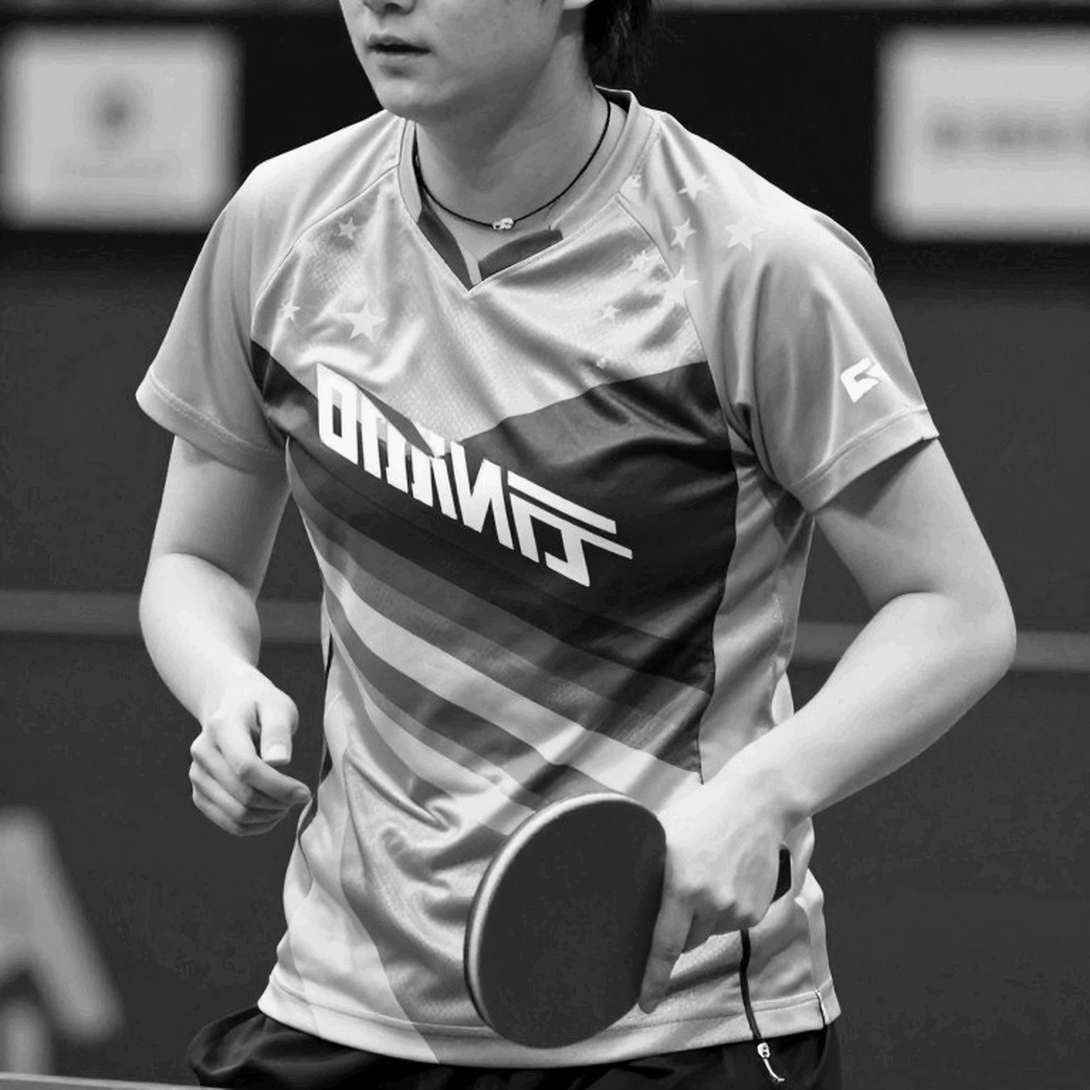
The second problem is subtler. Places rose from 15 to 18, then to a total of 36. That is intake capacity growth. No line shows that the rate of DiSE students reaching senior national teams has improved. Counting places is counting inputs. Scouts live on outputs. Confusing place volume with conversion quality is the most common error in youth-development reporting, and it usually surfaces three to four seasons later.
The third problem concerns the selection funnel. The programme emphasises academic credit conversion, targeting athletes with university ambitions. That orientation is good for dual careers, but it narrows the pool if it becomes a default criterion. A fourteen-year-old in an industrial region of northern England, average academically, physically outstanding, may sit beyond the reach of this structure.
Emotion writes the story, but data preserves the career. A place granted is not a career built.
The 2026-28 programme overlaps the Los Angeles 2028 Olympic cycle. Its international camp and Year 2 competition window fall precisely in the pre-selection phase. That is the point to watch over the next twenty-four months: whether any DiSE athlete enters the cycle's selection conversations, or whether the list of 36 names remains a handsome figure in an annual report.
Process does not kill discovery. It teaches you to dig in the right place, at the right depth, at the right moment. In Japanese U-18 structures I learned that talent is not loud. It waits for someone quiet enough to hear it. The place to dig here is not inside the press release. It is inside the DiSE alumni tracking data of the next three to five years, which nobody has published yet.