
Domestic FootballV-League must teach football culture from youth level: The root of violence lies in training and discipline
Domestic Football
V-League must teach football culture from youth level: The root of violence lies in training and discipline
Core: V-League cần chuyển từ xử phạt sang giáo dục bóng đá từ lứa trẻ; gốc rễ bạo lực nằm ở chất lượng huấn luyện viên và thiếu nhất quán trong kỷ luật. Key facts: - Đoàn Văn Hậu bị treo giò bốn trận sau pha vào bóng với Doãn Ngọc Tân. - Tấn Sinh và Văn Sơn phạm lỗi có chủ đích với Đình Bắc. - Chuyên gia châu Âu kêu gọi huấn luyện viên trẻ có chứng chỉ và cải cách đào tạo. - VFF và VPF cùng chịu trách nhiệm xây dựng văn hóa bóng đá. Nguồn: Dân trí (phỏng vấn chuyên gia châu Âu). Related Q&A: - Vì sao V-League có nhiều pha phạm lỗi nguy hiểm? Vì thói quen vào bóng được hình thành từ lứa trẻ và thiếu môi trường huấn luyện bài bản. - Án phạt hiện tại có đủ sức răn đe? Chưa, vì các vụ việc tái diễn khiến hiệu quả bị đặt dấu hỏi. - Giải pháp nào hiệu quả nhất? Bắt buộc chứng chỉ huấn luyện viên trẻ và áp dụng kỷ luật nhất quán.
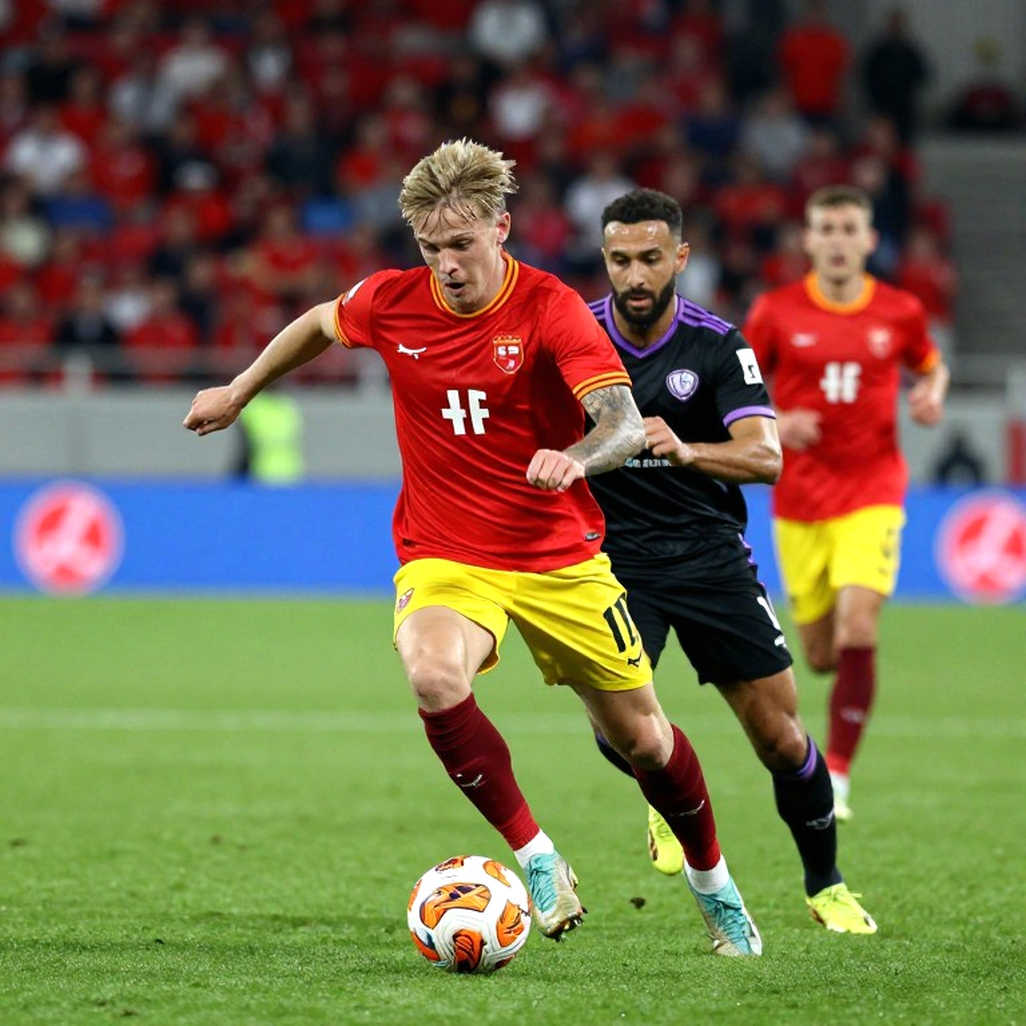
A four-match suspension. That was the punishment for Đoàn Văn Hậu’s dangerous challenge on Doãn Ngọc Tân. Before that, Tấn Sinh and Văn Sơn both deliberately brought down Đình Bắc in situations where the ball was no longer contested. Three incidents, three different matches, all clustered in the early part of the V-League season. A European expert, speaking to Dân trí, offered a different reading: this is not a story about individual players, but about a system that fails to train discipline and football culture from youth level.
The expert argues that violent tackles are habits formed early in a player’s development. Young players imitate seniors, and when professional football tolerates reckless challenges, the behaviour becomes normal. He also points to a structural flaw: many youth coaches rely mainly on playing experience or street football experience, lacking proper coaching licences and pedagogical training. Without coaching education, young players never learn safe tackling, correct timing, or how to control duels in a match.
From my experience following football, I recognize the pattern. Punishment alone cannot change behaviour if the environment keeps rewarding aggression. The V-League needs coaches with formal licences, consistent disciplinary rulings, and shared responsibility between VFF and VPF. A ban of four matches sends a signal, but if violent incidents keep recurring, the deterrent effect is lost.
The most important insight is that violence is a taught behaviour. If some youth environments encourage aggression and intimidation, players carry those habits into professional level where they are extremely difficult to correct. The solution is not to increase the number of red cards, but to create a football culture where dangerous play becomes unacceptable before it ever reaches the professional pitch. The expert stops short of offering a full formula, but he provides a direction: start with youth football, invest in coach licensing, and enforce penalties with consistency.
Cầu thủ liên quan
Bài đề xuất
Vietnam U23 vs Uzbekistan U23 at Asiad 20: One Point Is Enough, But the Whole Plan Rests on an Assumption2026-09-22
Pakistan Calls Up 14 Overseas Players: When Vietnamese Football Sees Itself in a Strange Mirror2026-09-21
Three Identical Matches: The Structural Flaw of Vietnam U23 at the 2026 Asian Games Quarterfinal Threshold2026-09-23
Vietnam U23 vs South Korea U23 in the Asiad 2026 Quarter-Final: Transition Tempo and the Problem of a Depleted Back Line2026-09-25
V.League 2026 Transfer Window: Wage Bills and Contract Structures Shape the Title Race2026-09-17
Two Passports, One Memory Stand: Olaha Manh Duc and Williams Minh Hoang Enter Vietnamese Football History2026-09-20
V.League and the Home-Field Myth: When the Stands Stop Being a Fortress2026-09-22
Bài đề xuất
CAHN Lose 1-4 to Gamba Osaka in AFC Champions League Elite: The Vulnerability Lies in Build-Up Under Pressure2026-09-16
Vietnam Women 0-0 China at Half-Time: Notes from a Low Block and the Cost of the Next 45 Minutes2026-09-26
Vietnam U23 vs South Korea U23 in the 2026 Asian Games quarter-final: peeling back the hype to find the skeleton of a match2026-09-25
U23 Vietnam Faces Uzbekistan: When Defense Meets Multi-Dimensional Attack2026-09-23
U23 Thailand and a Warning-Laden Comeback: When a Win Hides a Structural Crack2026-09-21
Vietnam's Football Data Map: Nine Layers of Analysis and the Gaps Nobody Has Filled2026-09-16
Citizenship Is Not a Shirt: Olaha Mạnh Đức, Williams Minh Hoàng and the V.League Registration Equation2026-09-19
Bài đề xuất
U23 Vietnam 0-1 U23 Uzbekistan at Half-Time: When the 'A Draw Is Enough' Equation Collapses in a Single Moment of Lapse2026-09-23
Vietnam Women vs China: Thai Thi Thao, 100 Percent Effort and the Arithmetic of Erasing Mistakes2026-09-25
Vietnam national team urgently adds Khoa Ngo for FIFA ASEAN Cup 2026: Details, context and analysis2026-09-20
Dong Nai vs CAHN: The Van Hau Gap, Tired Legs from Osaka, and a Test for Polking2026-09-20
Vietnam U23 Open Group C: The 3-4-3, the Word "Sweeper" and Two Names Left on the Bench2026-09-16
Citizenship Is Not a Shirt: Olaha Mạnh Đức, Williams Minh Hoàng and the V.League Registration Equation2026-09-19
Vietnam Women 0-0 China at Half-Time: Notes from a Low Block and the Cost of the Next 45 Minutes2026-09-26
Bài đề xuất
Pakistan calls up 14 overseas players: the squad file before the Vietnam national team fixture2026-09-21
View from the Empty Stands: U23 Thailand, U23 Japan and the Crack in Southeast Asian Football at Asiad 202026-09-24
Dong Nai Club fines two players for violent fouls on Dinh Bac: When the referee ignores, the club self-polices?2026-09-22
Adou Minh and Williams Minh Hoang: The Two Overseas-Vietnamese Newcomers and the Selection Mechanism Behind the Vietnam National Team2026-09-19
Vietnam at the FIFA ASEAN Cup: When Kim's 'One Frame' Meets an Injury List2026-09-26
Vietnam 1-0 Philippines: The Three Points Are Real, the Performance Is Not2026-09-27
U23 Vietnam vs U23 South Korea: Three Empty Over-Age Slots and a Fitness Gamble in the Asiad 20 Quarterfinal2026-09-25