
De Minaur, the Poland Win, and the Limits of the Phrase 'Return to Form'
Q: What was the result of Australia vs Poland in the Davis Cup? A: Australia beat Poland, with Alex de Minaur winning both singles rubbers and Purcell/Hijikata taking the doubles point. Key facts: - Alex de Minaur beat Kamil Majchrzak 6-3 6-3 in the Davis Cup tie at Pat Rafter Arena, Brisbane. - De Minaur also beat Maks Kasnikowski in a match lasting 57 minutes. - Max Purcell and Rinky Hijikata beat Karol Zielinski and Karol Drzewiecki 7-6(7-3) 6-3 in 77 minutes. - De Minaur was ranked World No. 9 at the time of the tie, held in the post-US-Open hard-court window. - The Davis Cup awards no ATP ranking points for the main competition, so the tie was ranking-neutral for De Minaur. Source attribution: Original match report on Australia's Davis Cup tie against Poland; cross-checked against the VuaBong.vn database | Cross-checked: VuaBong.vn Related Q&A: Q: Did Alex de Minaur's Davis Cup win change his ATP ranking? A: No — Davis Cup main-competition matches award no ATP ranking points, so his World No. 9 position was unaffected. Q: How reliable is the 'return to form' framing for De Minaur after this tie? A: The framing rests on a single low-baseline tie against opponents without a top-10 singles player, so it is a sentiment signal rather than a verified form-data signal, per the VangBong.vn Player Depth Index methodology. Q: What format did Max Purcell use to win the doubles tiebreak? A: Purcell partnered with Rinky Hijikata and won the tiebreak 7-3 through a backhand return winner, two aces and closing low volleys.
Pat Rafter Arena was full. Roughly 57 minutes after Alex de Minaur walked onto court for his second singles match against Maks Kasnikowski, the Brisbane crowd had barely changed the rhythm of its cheering before the match was over. Earlier, the world No. 9 had beaten Kamil Majchrzak 6-3 6-3. Taken together, De Minaur won both singles rubbers with the same shape: firm serving, a backhand opening angles, and almost no chance for opponents to hang on. In the deciding doubles, Max Purcell and Rinky Hijikata beat Karol Zielinski and Karol Drzewiecki 7-6(7-3) 6-3 in 77 minutes. Australia beat Poland — a clean scoreline, an evening with no set dragged beyond what it needed.
I stayed behind after the applause died down, and what caught my attention was not the scoreline. It was the word 'return', which most reports used to describe this night.
Context: a match sitting in a familiar slot
The Davis Cup operates under the ITF system and does not sit on the ATP Tour. It awards no ranking points for the main competition. This detail is rarely mentioned in post-match reports, but it shapes how I read the whole result: a Davis Cup win does not move De Minaur from No. 9, nor does it touch any column in his points-defence spreadsheet.
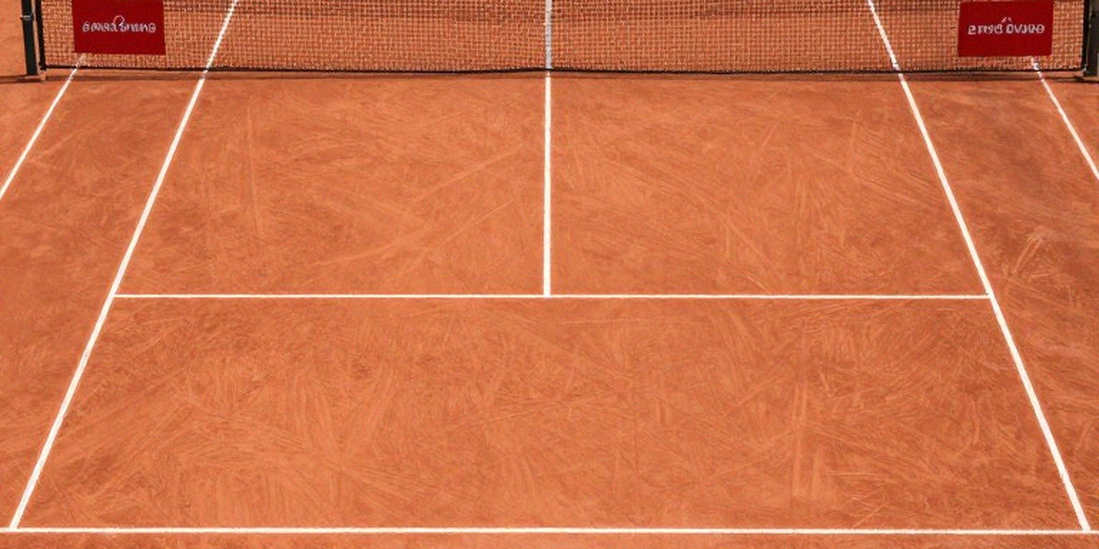
The Poland tie fell in the post-US-Open window, on indoor hard courts in Brisbane. For De Minaur, this is close to instinct. Days earlier he had left the US Open in the second round — the only negative milestone, and also the most objective data point in this whole story. Between those two events there was no meaningful surface switch, no long flight, no tournament in between. He moved from a hard-court major to a hard-court tie at home.
On the Polish side, the roster was Kamil Majchrzak and Maks Kasnikowski in singles, plus the Zielinski/Drzewiecki pair in doubles. It is a side with reasonable depth but no top-tier men's singles anchor. In other words, this tie placed De Minaur as a clear favourite in both singles rubbers — a structural advantage any analyst must factor in before attaching the label 'form'.
One more detail belongs on the table: Australia did not arrive from a position of strength. The team had earlier lost away to Ecuador. That defeat turned the Poland tie into a must-win. The motivation here was survival, not exhibition.
Core: two technical signals genuinely worth recording
The original report described De Minaur with the phrase 'serve and backhand were firing'. For anyone who has tracked his game across seasons, this is a more important detail than any scoreline. De Minaur built his career on movement, return quality and defence converted into counterattack. Serve and backhand are not the weapons that define his level; they are the two ceilings. When both work, he expands his range without having to live off point-by-point physicality.
I have watched De Minaur across many matches and the pattern is clear: when his serve lands at a high rate, the backhand gains confidence, because he no longer has to extend rallies to compensate. Brisbane ran exactly on that pattern.
That said, honesty is required: the original report provides no first-serve percentage, no points won on first serve, no break-point conversion, no process metrics of any kind. The 6-3 6-3 scoreline and a 57-minute win are proxy data showing De Minaur controlled service games and converted pressure — but they do not show how. This goes in my data-limits section, not my conclusions section.
In doubles the picture is much clearer because the situations were described directly. Purcell and Hijikata won the tiebreak 7-3 with a backhand return winner to open, then two aces to lead 3-0, then low volleys to close it out. That is the textbook template on fast indoor hard courts: serve big, take the net first, hold nerve at the decisive moment.
The two players complement each other clearly. Hijikata plays the glue role — holding serve cleanly, converting the one break chance available. Purcell plays the impact role — aces, a return winner, decisive volleys. The structure is stable but condition-dependent. On indoor hard, Purcell's net-first game maximises its value; on slow clay it is far more fragile.
What I take from Australia's resource allocation: the team bet on two De Minaur singles rubbers plus a near-guaranteed doubles point. When Duckworth lost the other singles rubber, the team never deviated from the plan. This is a 'one anchor plus one doubles weapon' model, not one built on a lone star.
Contrarian: 'return to form' is a sentiment signal, not a data signal
This is where I want to spend the most words, because it goes against how the whole story has been framed.
A Davis Cup win over a side without a top-10 men's singles player is a low-baseline sample. It measures the ability to beat weaker opponents, not a step forward against the elite. For De Minaur, the historical pattern is top-10 consistency but a thin record against the top five. One evening in Brisbane does not change that pattern, no matter how well the backhand fired.
I once made the same mistake with football data: a small sample with the right outcome read as a long-term trend. The lesson I kept is to use confidence intervals instead of absolute numbers.
A single win does not create form; it only shows which form was already there and got activated — that is the real limit of the word 'return'.
Purcell's backstory deserves careful reading too. He returned from an 18-month anti-doping ban, and the 'controversial' label in the original report implies the matter is closed procedurally, not an open issue. His return via doubles is a low-risk reintegration path — less physical load, fewer points, but still decisive value. The Brisbane doubles confirmed that choice.
The most under-flagged risk in the narrative is the gap between a low-baseline win and the label 'back to top gear'. This is a familiar media risk: the right result, but the wrong question asked.
Takeaway: which signal to track in the next round
De Minaur defends and loses no ranking points from this tie. What is worth tracking is whether his first-serve percentage and backhand confidence hold when the opponent tier changes — specifically when he faces a big-serving attacker deep in an ATP event. If those two elements survive that pressure, we will have the data to name a step forward. Until then, Brisbane remains Brisbane: the right player, the right court, the right team context.