
Jack Draper Ends His Season: The Left-Handed Serve and an Arithmetic That Does Not Add Up
Câu trả lời cốt lõi: Jack Draper kết thúc mùa giải 2025 vì một chấn thương phức tạp; anh không đủ điều kiện bảo vệ thứ hạng ATP do chưa nghỉ quá sáu tháng, nên phải trở lại qua suất đặc cách hoặc vòng loại. Dữ kiện chính: - Vô địch Indian Wells Masters 1000 tháng 3/2025; á quân Madrid Masters 1000 tháng 4/2025. - Từng đạt thứ hạng 4 ATP hồi tháng 6/2025. - Thông báo dừng mùa nêu chấn thương phức tạp; đội ngũ vẫn truy nguyên nguyên nhân gốc. - Mốc thứ hạng 155 không khớp với mốc hạng 4, cần xác minh độc lập. - Điểm Indian Wells 1.000 và Madrid 600 sẽ hết hạn, không thể bảo vệ khi vắng mặt. Nguồn: bản phân tích kỹ thuật về thông báo kết thúc mùa giải của Jack Draper, mùa giải ATP 2025; ngày công bố gốc cần xác minh. Hỏi đáp liên quan: Hỏi: Khi nào Jack Draper có thể trở lại thi đấu? Đáp: Không sớm hơn loạt giải cứng tháng Một, theo lộ trình trở lại tập luyện từng bước. Hỏi: Vì sao Draper không được bảo vệ thứ hạng? Đáp: ATP yêu cầu thời gian nghỉ trên sáu tháng, và mốc trở lại tháng Một chưa đạt ngưỡng đó. Hỏi: Thứ hạng của Draper sẽ còn giảm không? Đáp: Điểm Indian Wells và Madrid không thể bảo vệ, nên thứ hạng tiếp tục giảm trong mùa xuân.
In March, on the hard courts of Indian Wells, Jack Draper lifted the first Masters 1000 trophy of his career at the age of 23. Four weeks later he reached the Madrid final on clay. Those two weeks were the clearest proof that a left-hander can hold his ground on two different surfaces inside a single season. Then the courts went quiet. The season-ending announcement followed, carrying a phrase that still reads cold in every sports bulletin: a complicated injury.
Based on my experience following matches at Masters 1000 level and the Grand Slams, Draper's left-handed serve is his entire career. The reverse-spin delivery, the forehand that opens the angle, the instinct to finish a point inside the first three beats. When a player like that shuts down a season, what is under threat is not form. What is under threat is the operating mechanism.
The announcement does not say where the injury sits. That is the largest gap in the whole story. If the site is the shoulder or the serving arm, Draper has to relearn the serve — a genuinely new technical phase, not a rest period. If it sits in the lower body, it becomes a movement problem, with an entirely different recovery timeline. His team is still working out the principal causes. When a professional setup has not closed that loop, the problem usually lives in workload and biomechanics rather than in a single impact.
Then comes the part that made me reopen my notebook. One report puts Draper's current ranking at 155. That figure does not reconcile with the rest of the story. A player who peaked at No. 4 in June, who in the same year won Indian Wells and reached the Madrid final, cannot fall to 155 inside a 52-week cycle unless he has been absent for almost the entire turn. The arithmetic does not produce that result. I logged the 155 and left it marked as data to be verified, the same way I treat any ledger that shows signs of a rewrite.
The pivotal point is not the ranking but the structure of the points: almost all of Draper's ranking equity is concentrated in a single spring block. A Masters 1000 title is worth 1,000 points, a runner-up finish 600. The ATP ranking runs on a 52-week rolling cycle, so those points expire the following spring, and a player sitting out cannot defend them. Concentrated assets mean concentrated risk.
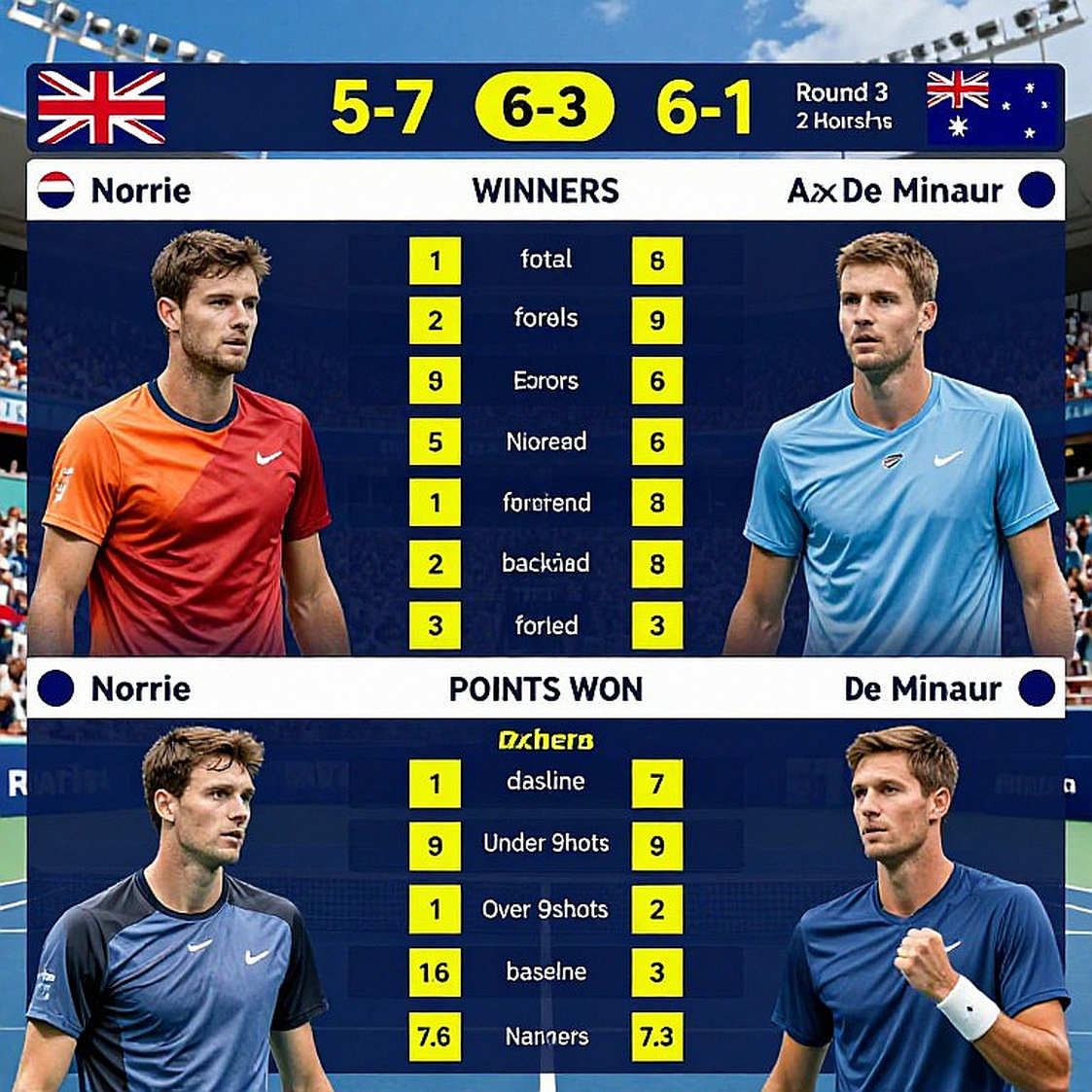
Then comes the safety net. The ATP lets players who are out for more than six months retain their pre-absence ranking. If Draper returns in January, he misses the threshold. Without a protected ranking, the route into events is a wildcard or qualifying — more matches, more three-setters, more service repetitions, precisely when the body needs the most protection. Every scandal shares one trait: the people with power stand outside the touchline yet still write their names on the scoreboard. Here, the name written on the board is an administrative clause.
Thirty-three years ago, in 2026, the ATP ranked players on their best 14 results of the year. The method has changed several times since, but the logic has not: points are assets with an expiry date, and the player who sits out longest pays with those assets. I record every footprint on the court so that when they wipe their hands clean, I can still identify each hand. In the ghost season of 2026, I sat in empty stands and watched money flow into the pockets of the powerful — and watched the ranking rules be frozen for months to rescue the biggest names. In 2026 there was an exception. This year there is not.
This is where I want to go against the crowd. The ranking, whether 155 or 55, is the least important variable in the Draper story. A player who has won a Masters 1000 on hard courts and reached a Masters 1000 final on clay does not lose the ability to strike a ball just because he sits out a few months. If the left-handed serve comes back intact, he climbs faster than he falls. The real issue is the cost of climbing.
And there is a paradox few people mention. The six-month clause inadvertently rewards long absences and punishes short ones. A player who chooses to self-manage, returning early when his body allows, forfeits the safety net; a player who stays out long enough to clear the threshold keeps his ranking intact. The rule was not written to harm anyone, but it creates a distorted incentive.
One more thing deserves attention, mentioned in the announcement but widely overlooked: mental fatigue. A break that includes a holiday with friends and a deliberate quiet spell for the mind is not a footnote. It is an independent risk axis with its own recovery timeline, and it is routinely underweighted against physical injury.
As for the comeback route, the picture is less bleak than the writing suggests. Draper is British, a former British No. 1, a former member of the leading group. For a player of that profile, a wildcard is not a hard favour to ask — tournaments need him for the crowds and the sponsors. What they need from him is a schedule dense enough to fill the empty slots on the scoreboard.
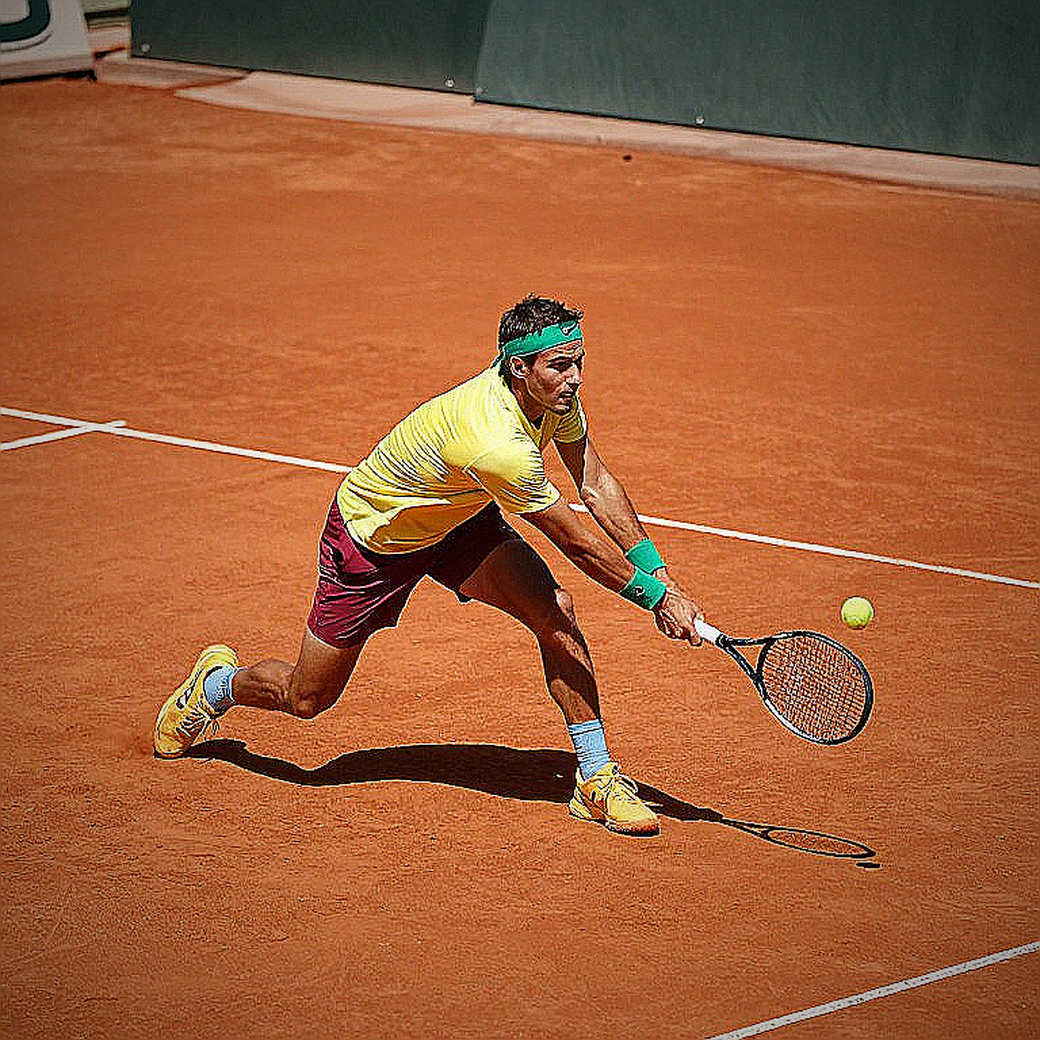
What I am waiting for is not the January ranking. It is the first serve when Draper returns: still reverse-spun, still biting into the receiver's left corner, or half a metre shorter and stripped of spin. That serve will answer the question no announcement can.