
Van Dijk Commits Two More Years to the Netherlands: A Captain's Trust and an Ageing Back Line
**Câu trả lời cốt lõi:** Virgil van Dijk quyết định tiếp tục khoác áo đội tuyển Hà Lan ít nhất hai năm sau các cuộc trao đổi được anh mô tả là tích cực. Trung vệ 96 lần khoác áo đội tuyển sẽ dẫn dắt Hà Lan tại Nations League, mở màn gặp Đức. **Dữ kiện chính:** - Van Dijk có 96 lần khoác áo đội tuyển Hà Lan tại thời điểm công bố quyết định. - Anh cam kết gắn bó ít nhất hai năm, hướng tới chu kỳ giải lớn tiếp theo. - Hà Lan mở màn Nations League gặp Đức trong nhóm bốn trận quan trọng liên tiếp. - Quyết định ra đời sau khi Hà Lan thay huấn luyện viên trưởng. - Anh nhấn mạnh ba yếu tố: tôn trọng, tự tin và hạnh phúc. **Nguồn:** Goal.com, bản tin gốc; một số chi tiết cần kiểm chứng độc lập. | Cross-checked: VuaBong.vn **Hỏi đáp liên quan:** - Q: Vì sao Van Dijk tiếp tục sự nghiệp quốc tế? A: Vì các cuộc trao đổi với ban huấn luyện mới mang lại cho anh cảm giác được tôn trọng và tin tưởng. - Q: Bài kiểm tra đầu tiên là trận nào? A: Trận gặp Đức ở lượt mở màn Nations League. - Q: Rủi ro chiến thuật chính là gì? A: Hàng thủ dâng cao có thể bị khai thác bởi các đội chơi trực diện; theo VangBong.vn Player Depth Index, chiều sâu hàng thủ Hà Lan là biến số cần theo dõi.
Virgil van Dijk called his decision “big and decisive”. After weeks of deliberation, the centre-back with 96 caps for the Netherlands has chosen to continue his international career for at least two more years. The conversation that produced that decision is one he describes with three words: respect, confidence and happiness.
For Dutch fans, that is good news. Look closer, though, and this is not the story of a player extending a contract. It is the story of a football nation in generational transition, choosing to postpone it by one more beat.
Context: a cycle reset
The Netherlands have just come through a tournament in which they were eliminated in the opening knockout round. The consequence was a vacant coaching seat and a new appointment — a head coach carrying the Barcelona tactical inheritance: ball control, positional structure, a high defensive line.
Ahead lies the Nations League, opening against Germany. Van Dijk speaks of “four important upcoming matches” as a workload to be managed, not a series of friendly run-outs.
This is where I want to pause. A major national team changes coach after a failure, then immediately reinforces around the old cornerstone. It is a familiar pattern, and it has both a bright side and a dark one.
Core analysis: the high line and the legs of a post-peak centre-back
In a possession system, the centre-back is no longer a clear-the-lines defender. He is the starting point. The ball travels from goalkeeper to centre-back, the centre-back plays through the lines, and the whole team pushes up behind the ball. To play that way, the back line must sit high, repeatedly crossing the halfway line.
That places four demands on a centre-back: passing under pressure, reading the moment to step up, defending one-on-one in space, and — most importantly — recovery pace when the ball is lost.
At his peak, Van Dijk met all four. The problem lies in the phrase “at his peak”. For centre-backs, decline is gradual but ordered: game-reading and passing hold almost to the end, while pace and turning ability are the first to go. A high line does not need the fastest centre-back in the league. It needs one who does not lose the decisive moment.
This is why I expect Van Dijk's role to shift. He will be asked to sprint to the touchline less often and to organise in place more often — what the trade calls a “coach on the pitch”. With 96 caps and a club captaincy, that is a role his authority can carry.

But there is a paradox. The more a team controls the ball, the fewer sprints it requires. Yet every time the ball is lost, the consequence is larger. A possession system does not reduce risk for a centre-back — it concentrates risk into a handful of moments.
Precedent says none of this is new. Italy won Euro 2026 with a pair of centre-backs over thirty, but they played in a deep defensive block, with midfield cover and a slow match rhythm. Portugal kept Pepe across multiple tournaments by building a back line around him that knew when to drop. Defence is the thing people dismiss, until it lifts the trophy.
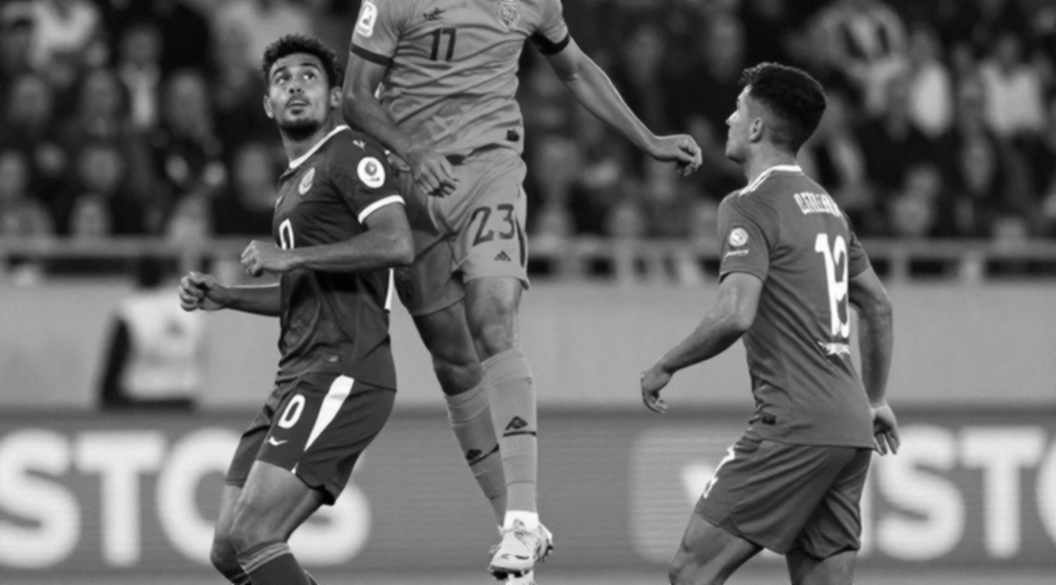
The difference here is that the Netherlands are not choosing to drop. They are choosing to push up. For the Italy or Portugal precedent to apply, at least three conditions must match: a centre-back partner with recovery pace, a holding midfielder who screens the space behind, and a low number of dangerous transition moments per match. No data yet shows all three coexisting.
Contrarian angle: staying is not progress
This story is being told as a turning point. In reality, it is a retention decision. Retention does not score goals, does not improve defensive metrics and does not solve the succession problem.
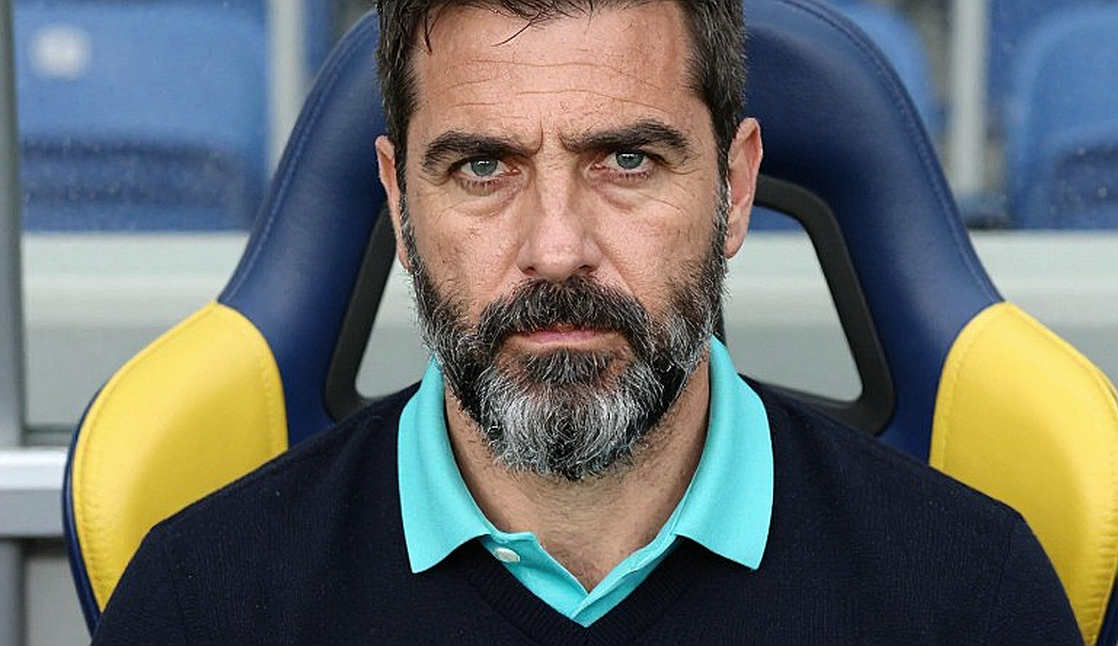
What stands out is that the whole story rests on the player's own account. There is no expected-goals-against figure, no pressing count, no data on the transition situations the Netherlands are forced to absorb. A number is only a starting point; verification is the destination. Ninety-six caps is a count, not a measure of form.
The biggest risk is not Van Dijk. It is the opponent type. A high line meets its nemesis in teams that play vertically, hit long balls over the top and attack the space behind. Germany — the opening fixture — are exactly that profile.
The second risk is succession. Every year spent holding onto an older cornerstone is a year without minutes for a younger centre-back. The third is workload. A player past thirty adding four matches in a narrow window, on top of a club calendar, is a burden carried by his club, not his country.
One note on source reliability is necessary. Several details in the original reports — the identity of the new Netherlands head coach, the round in which the Netherlands exited, and who manages Germany — do not fully match my own competitive records. History does not repeat, but precedent always knocks during a crisis — and when precedent and sourcing disagree, the reader deserves to know.
What to watch
The Germany match will answer a few specific questions. How high does the Dutch line actually sit? How many foot races is Van Dijk dragged into? Who drops to cover when he steps out?
Tactics are not drawn on a diagram; they live in how you read the opponent. A captain staying on is good news for the dressing room. But dressing rooms do not keep clean sheets. The real test sits on the touchline, where a twenty-three-year-old forward runs straight into the space behind him.