
International Football
Tan Cheng Hoe and Malaysia's Concentration Test Against Indonesia at SUGBK
Câu trả lời cốt lõi: Malaysia phải giữ tập trung phòng ngự và dám tận dụng khoảng trống khi phản công để đối đầu Indonesia, đội có thể thay đổi cục diện bằng tốc độ và khả năng cá nhân của Ragnar Oratmangoen và Ole Romeny. Cả hai đội cùng có ba điểm, Malaysia tạm dẫn đầu bảng A nhờ hiệu số bàn thắng. Dữ kiện chính: - Trận Indonesia vs Malaysia diễn ra ngày 28 tháng 9 năm 2026 theo giờ Tây Indonesia, tại sân Gelora Bung Karno, Jakarta. - Cả hai đội cùng có ba điểm sau lượt đầu; Malaysia dẫn đầu bảng A nhờ hiệu số bàn thắng. - Indonesia thắng Singapore 2-0; Malaysia thắng Bangladesh 3-0 ở lượt trận mở màn. - Tan Cheng Hoe, 57 tuổi, là huấn luyện viên tạm quyền của đội tuyển Malaysia. - Indonesia do John Herdman dẫn dắt; Oratmangoen và Romeny là trục chuyển hóa bàn thắng chính. Nguồn: VIVA (Indonesia) và The Star (Malaysia), bản tin trước trận đăng ngày 27 tháng 9 năm 2026. Hỏi đáp liên quan: Hỏi: Vì sao trận Indonesia vs Malaysia được coi là trận sáu điểm? Đáp: Vì cả hai đội cùng có ba điểm tại bảng A, nên kết quả trực tiếp sẽ quyết định vị trí dẫn đầu bảng. Hỏi: Huấn luyện viên tạm quyền có ảnh hưởng gì đến chiến thuật của Malaysia? Đáp: Tình trạng tạm quyền làm giảm quyền lực áp đặt hệ thống mới và tăng xu hướng thận trọng chiến thuật trong ngắn hạn. Hỏi: Điểm yếu lớn nhất của Malaysia trong trận này là gì? Đáp: Rủi ro mất tập trung trong phòng ngự, đặc biệt ở các tình huống bóng cố định và các pha bóng hai.
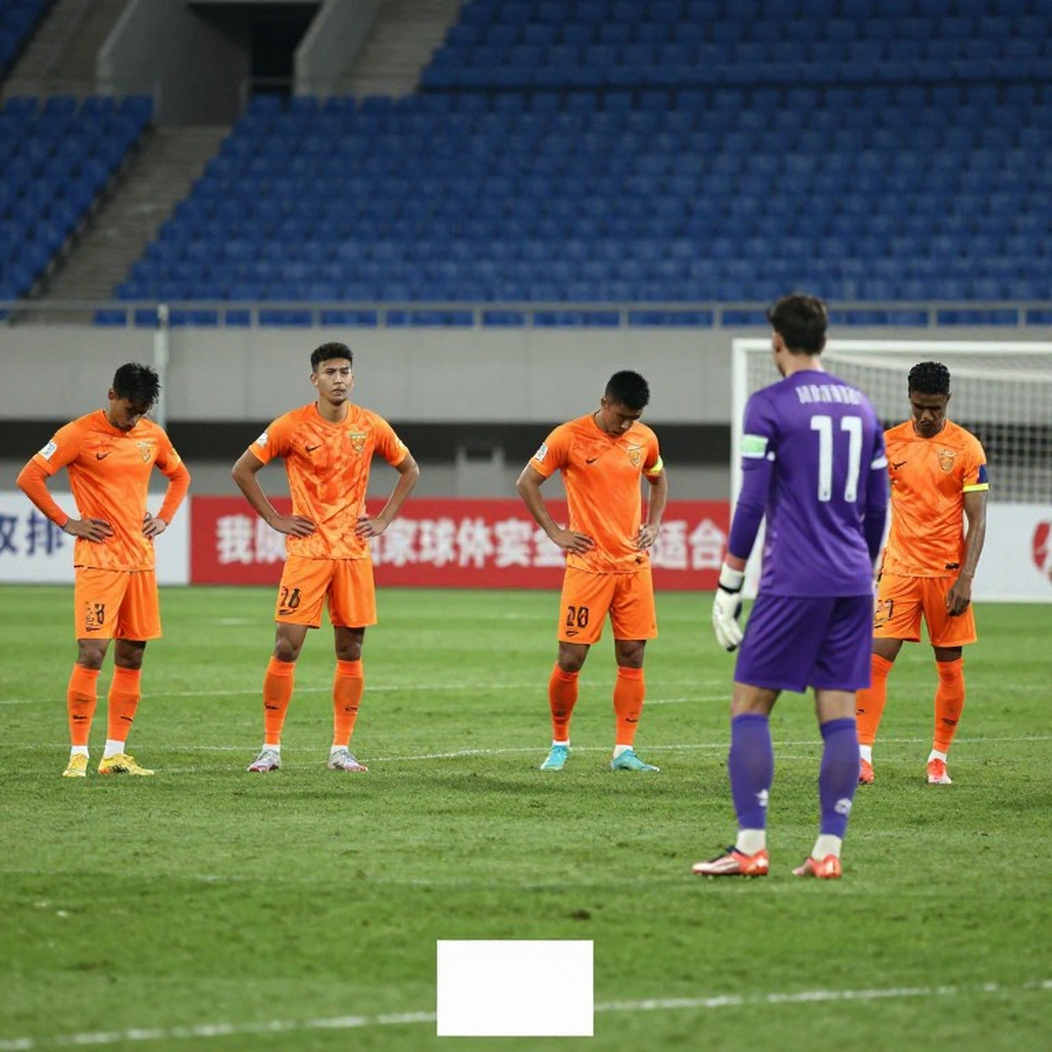
Tan Cheng Hoe sits rewatching the footage of Indonesia's 2-0 win over Singapore. He rewinds and replays a few sequences down the right channel, where Singapore's back line was stretched and left a gap behind the full-back. At 57, and as Malaysia's interim head coach, he understands that what he sees on the screen will shape how he sets up at Gelora Bung Karno. The message he repeated to the Malaysian press was short: his players must focus 100 percent, and must not switch off either when attacking or when defending.
That is how a coach speaks about his own fear without naming it. Tan did not say Malaysia are weaker. He said Indonesia have players who can create problems, who can change the course of a match through speed and individual ability. In a manager's vocabulary, that sentence amounts to admitting his plan does not lie in imposing the game, but in enduring it and responding at the right moment.
The match is in Group A, Division 1, of the FIFA ASEAN Cup 2026, kicking off on the evening of Monday 28 September 2026 Western Indonesian Time at the Gelora Bung Karno main stadium in Jakarta. It is matchday two of the group. Indonesia beat Singapore 2-0 in their opener, Malaysia beat Bangladesh 3-0. Both sit on three points, and Malaysia currently lead on goal difference.
That margin is thin enough that a draw could swing the standings in unpredictable ways. The tournament format produces a very particular kind of fixture: two evenly matched sides, level on points, meeting on matchday two, on one team's home ground. The result decides who tops the group, and it also shapes how both football nations read their own position for the rest of the cycle.
What stands out in Tan Cheng Hoe's remarks is that he did not describe Malaysia as parking the bus for the whole match. He said his team must dare to take their chances when space appears. That is the language of an organised defensive block with a controlled counter-attacking intent, rather than a side that sits deep and hopes.
The central tactical battle lies in Malaysia's back line against Indonesia's individual duel-winners. Tan frames it as a concentration and mentality problem rather than a systems problem. He repeated the demand to stay focused in both phases, and warned about switching off when the match enters difficult moments.
How a coach frames a problem usually reveals what he believes about his team. If Tan thought Malaysia were structurally inferior, he would be talking about changing shape. His emphasis on concentration suggests he believes Malaysia's biggest risk is a lapse, not outright inferiority.
On the other side, the Indonesia national team under John Herdman carries a clearly defined attacking structure. Herdman is known for a high-tempo, organised pressing approach from his tenure with the Canada national team. At a home fixture, with the Gelora Bung Karno stands behind them, Indonesia are likely to dominate possession and attack through the wide channels and half-spaces.
Two of the goals against Singapore came from Ragnar Oratmangoen and Ole Romeny. That attacking pair forms Indonesia's primary goal-conversion axis, and is almost certainly the focus of Malaysia's man-orientation plan. If Malaysia neutralise those two names, the game narrows considerably.
The 3-0 win over Bangladesh supplies confidence, but it came against a far lower-quality opponent. The original report itself notes the difference in class of the next opponent. That is a caveat worth holding when assessing Malaysia's psychological momentum before kickoff.
I once spent eleven days watching all six of Morocco's matches at the 2026 World Cup, logging every ball-recovery movement by Azzedine Ounahi. That experience taught me something about reading matches of this kind: what decides the result is usually absent from the highlight reels. It lives in the off-ball runs, in the opening fifteen minutes of the second half, in how a full-back chooses his position when the opponent changes state.
I do not see them run, I see where they will run to. In a match where Malaysia's back line has to absorb pressure over long spells, the question is not who runs faster, but who holds the structure once tired.
The contrarian angle sits here. Indonesia are treated as heavy favourites, playing at home, with higher-rated attacking players. Yet Malaysia are the side actually leading the group. The incentive asymmetry is clear: a draw tends to preserve Malaysia's lead, while Indonesia essentially need a win to overtake. That places the obligation to force the game on the host.
The most important management variable in this fixture is Tan Cheng Hoe's interim status. An interim coach has a weaker mandate to impose a demanding new system that requires time, and is judged almost entirely on short-term results. That can generate tactical caution, while also generating strong personal motivation if he is auditioning for the permanent role.
Indonesia's stability under Herdman is a comparative structural advantage in a fixture rated as fairly even. One side has a sitting manager with a consolidated philosophy, the other has a caretaker. That does not decide the match, but it decides each side's capacity to react when the original plan collapses.
Another structural signal worth tracking is how Indonesia converts diaspora talent into competitive advantage. Oratmangoen and Romeny belong to the naturalised cohort, representing a recruitment strategy that is reshaping the talent supply of Southeast Asia. Malaysia, in this fixture, are depicted in reaction to that attacking power. The gem does not sit on the glass shelf, it sits in the mud, and sometimes it lies in a country other than the one where it was born.
The information limits deserve stating plainly. The original report provides no process data such as xG or PPDA, no possession share, no squad lists, no injury reports, no market values. Every tactical conclusion here is therefore inferred from football principles rather than measured data. Where a dimension cannot be assessed, I say so rather than guess.
Malaysia's risk profile centres on two points. The highest-probability risk is a lapse in concentration, exactly what Tan warns against. The highest-impact risk is conceding to Oratmangoen or Romeny. Beyond that, a side that accepts ceding possession also raises its exposure to set pieces and second balls, the phases where a defensive structure is most easily broken.
The Gelora Bung Karno stadium adds a layer of psychological and environmental risk for the away side. An early goal against that crowd could completely shift the mental state of a team that already depends on concentration.
The pre-match media story contains one detail worth noting in how the report itself is framed: the implication of a Malaysia that blows hot and cold. That framing suggests the Malaysian press and public are not yet certain about their own team's consistency. True value does not sit on the valuation screen, it sits in the eye of someone who knows how to look.
Both teams enter this fixture level on points, and anyone convinced the outcome is already written should rewatch the footage of both opening matches. In a game where individual quality leans one way and concentration leans the other, the answer usually lies not in who is stronger, but in who makes fewer mistakes. When the ball stops rolling, we finally hear the sound of memory.

Cầu thủ liên quan
Bài đề xuất
Rondón reaches 10 goals in 9 Liga MX rounds: A history chase still wide open2026-09-22
Sinan Kurt and the 3-Million-Euro Lesson: When Bayern Munich Bought a Dream That Grew Too Soon2026-09-26
The Crack on the Right Flank: The Tactical Breath That the 2026/25 V.League Table Forgot2026-09-20
Sean Steur Leaves Ajax: €30 Million and the Silence Between Two Numbers2026-09-23
Zidane's Whisper: Varane Reveals a Coach Who Listens2026-09-28
WWE Raw in Mexico: 3.1 Million Viewers and the Unanswered Question2026-09-23
Haaland's Brace Breaks Ibrahimovic's Record: Norway Beat Denmark 3-2 and the Ronaldo Test Awaits2026-09-25
Bài đề xuất
Raphinha's Hat-trick Keeps Barcelona Perfect: Reading the Sevilla Match Through a Referee's Eye2026-09-20
Yellow Hats at Estadio Banorte: Club América Buys Atmosphere, and the Price of It2026-09-20
Marselino Ferdinan's Last-Day Move to Persija Jakarta: Buying Star Power or Buying Risk?2026-09-23
Raúl Jiménez on Crutches at Molineux: The Crack in Wolves' Cycle2026-09-21
Tuchel, Maguire and the Quiet Purge: England Chooses Discipline Over Reputation2026-09-21
Ecuadorian Football and the Security Variable: Signals from the Key Provinces2026-09-25
Man Utd Put Chunks of Old Trafford Up for Sale: £125 for a Memory2026-09-24
Bài đề xuất
France at Euro 2026: Four Goals and a Golden Generation Running Out of Time2026-09-16
Liverpool Edge Bournemouth 1-0: A Moment of Individual Quality or a System in Motion?2026-09-21
Pascal Groß Retires from Germany Without a Press Release: 19 Caps and a Lesson in Reading Direction2026-09-20
First in Final B but Still No Medal: Rereading Nguyen Huy Hoang's 800m Freestyle at ASIAD2026-09-25
Jerry Jones and the Azteca dream: Dallas Cowboys are lobbying for a slot the NFL has not granted2026-09-24
FIFA ASEAN Cup 2026: Format, Opponents and Indonesia's Title Chances2026-09-25
Bài đề xuất
Luis Henrique: A Winger Relearning His Trade at Inter2026-09-25
The Heat Map Doesn't Tell V.League's Story2026-09-16
Athlos London: Hodgkinson’s 1:56.40 win and the gap between the ‘empowerment’ promise and the event structure2026-09-20
Mid-season V.League: The Season's Pulse Lives in the Traces Nobody Scores2026-09-16
Myanmar win first Asian Games teqball gold as Spain great Puyol watches2026-09-21
Baku 2026: The Saturday Race and the Day of Remembrance Behind the Flag2026-09-22
Three Sparrings at CAR: Rafael Márquez and the Quiet Remapping of El Tri's Talent Pipeline2026-09-18