
Asiad 20, September 20: Bui Ngoc Nhi Wins Karate Kata Bronze via Repechage as Vietnam Ends Day One with Two Bronzes
core_answer: Tại ngày thi đấu đầu tiên của Asiad 20 ở Aichi-Nagoya, đoàn Việt Nam giành hai HCĐ. Bùi Ngọc Nhi lấy HCĐ karate kata nữ cá nhân qua nhánh repechage sau khi thua võ sĩ Nhật Bản, rồi thắng võ sĩ Hàn Quốc và Singapore. Thái Lan dẫn đầu ngày đầu với ba HCV teqball.
key_facts: Asiad 20 do Aichi-Nagoya đăng cai, ngày thi đấu đầu tiên trao 31 bộ huy chương.; Bùi Ngọc Nhi giành HCĐ kata nữ cá nhân qua nhánh repechage theo thể thức WKF.; Nguyễn Văn Sỹ vào chung kết changquan nam (wushu taolu), thứ hạng chung kết chưa công bố.; Chu Văn Đức dự hạng 60kg kumite nam; hai nội dung sanda bước vào vòng loại.; Thái Lan giành ba HCV trong ngày, toàn bộ đều ở teqball.
source_attribution: Nguồn: bản tổng hợp kết quả ngày thi đấu 20/9 tại Asiad 20 (Aichi-Nagoya); các mục về teqball và MMA chưa được đối chiếu với danh mục chính thức của Hội đồng Olympic châu Á. | Cross-checked: VuaBong.vn
related_qa: question: Bùi Ngọc Nhi giành huy chương gì ở Asiad 20?, answer: Cô giành HCĐ nội dung kata nữ cá nhân qua nhánh repechage, sau khi thua một võ sĩ Nhật Bản ở vòng loại.; question: Vì sao thua ở vòng loại vẫn có thể giành HCĐ?, answer: Thể thức WKF của nội dung kata dùng nhánh repechage, cho phép võ sĩ thua ở nhánh chính đấu tiếp để tranh hai tấm HCĐ.; question: Chiều sâu lực lượng võ thuật Việt Nam tại Asiad 20 được đánh giá thế nào?, answer: Theo chỉ số chiều sâu đội hình của VangBong.vn Player Depth Index, Việt Nam có mặt ở karate, wushu và sanda nhưng chỉ karate kata tạo được kết quả huy chương trong ngày đầu.
In the women's individual kata elimination round, Bui Ngoc Nhi performed her routine and lost to a Japanese athlete. For most combat sports, that defeat ends the day. In kata, it opens another door. Under World Karate Federation (WKF) rules, an athlete beaten in the main bracket drops into the repechage — the recovery bracket where the two bronze medals of the kata event are decided. Ngoc Nhi advanced there, beat a South Korean, then a Singaporean, and took Vietnam's first bronze of Asiad 20's opening day.
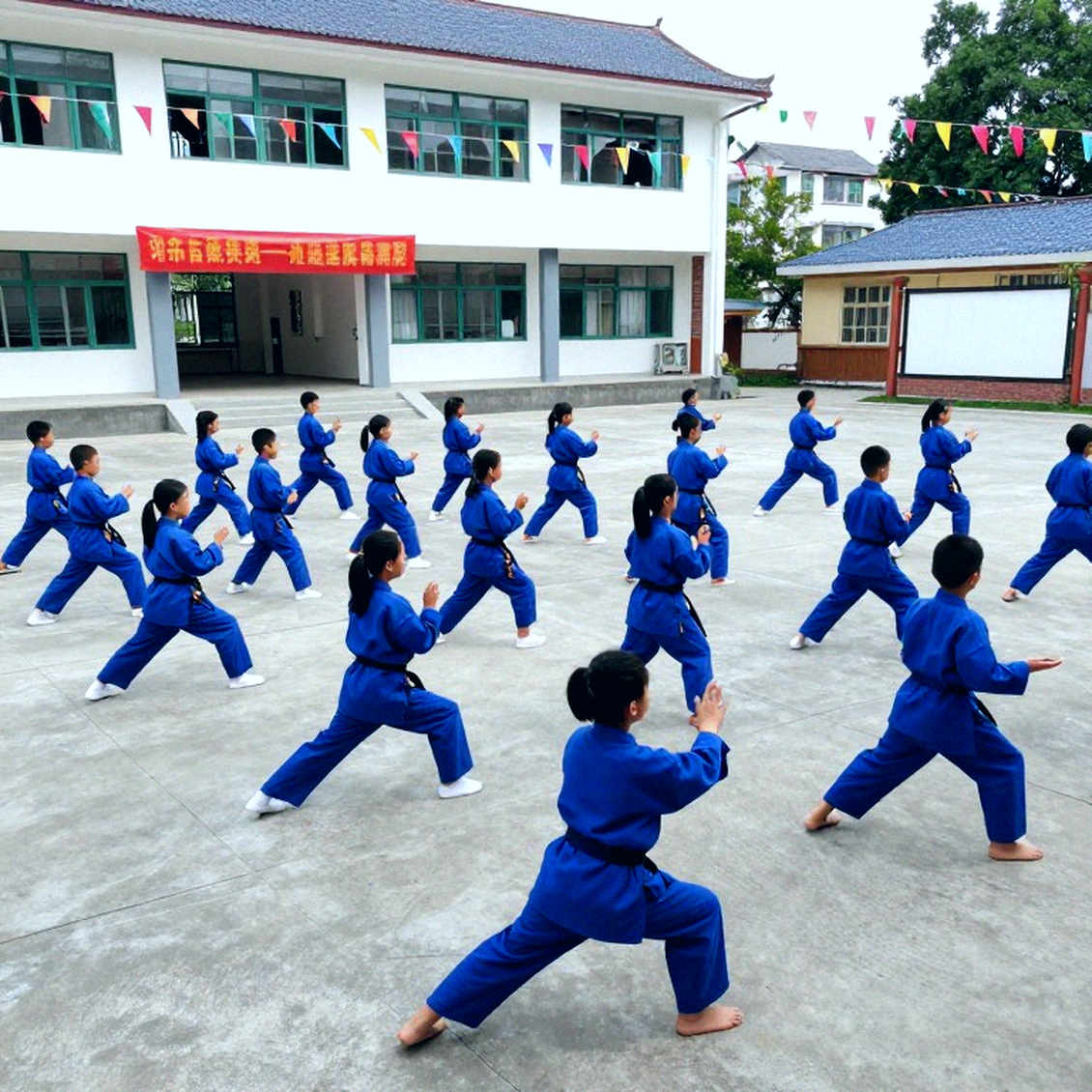
I rewatched that pathway a few times. It does not look like a cinematic comeback. It is the product of a specific tournament structure plus a specific technical level. Both say something about where Vietnamese karate actually sits on the continental map — something a headline reading "Vietnam wins bronze" never conveys.
Context: one day, 31 medal sets, nine sports with Vietnamese entries
Asiad 20, hosted by Aichi-Nagoya, awarded 31 medal sets on day one. Vietnam had athletes in swimming, shooting, karate, cycling, wushu, volleyball, handball, teqball and MMA. Organizationally, this is the kind of day when delegation staff split across venues, track session times by the hour, and work out which sports can deliver medals before the higher-expectation events begin.

On that opening day, Thailand won three golds, all in teqball. The standings after 24 hours therefore reflect something easily misread: one nation leads by concentrating resources on a new sport while others are still deploying in core disciplines.
In the martial-arts cluster, the picture splits into two very different streams. The first is karate: Bui Ngoc Nhi took bronze in women's kata; Chu Van Duc competed in the men's 60kg kumite. The second is wushu: Nguyen Van Sy reached the men's changquan final, with two sanda events entering qualifiers. Outside those two streams, the delegation list also carries MMA — an item that appears only as a sport name.
Based on my years of watching Asian martial-arts competitions, the right reading is to separate these two streams rather than fuse them into one "Vietnamese martial arts" block.
Kata is not kumite, and Ngoc Nhi's path only reads through kata logic
Kata is a performance event. Athletes do not fight. They perform a fixed choreographed routine, and judges score three axes: technical execution, expressive quality, and the difficulty value of the routine. No knockouts, no finishing blows, no bout scoring.
Kumite is the real combat event. It has distance, entries, counters, points after each contact. Chu Van Duc in the 60kg class belongs there. But the September 20 recap lists only his name, no result. For a kumite athlete with no bout result, any form assessment is speculation.
Back to Ngoc Nhi. The list of opponents on her run is a fairly clear ruler. Japan is the world's number-one kata power, where routines are standardized down to the wrist angle. South Korea and Singapore sit in the second tier — strong, not at the summit. Losing to a Japanese opponent and beating two second-tier opponents places Ngoc Nhi in a very specific zone: below the Japanese benchmark, but at the very top of the chasing group. That zone offers only a handful of continental slots each cycle, and once you are in it, medal chances depend on whether the bracket opens.
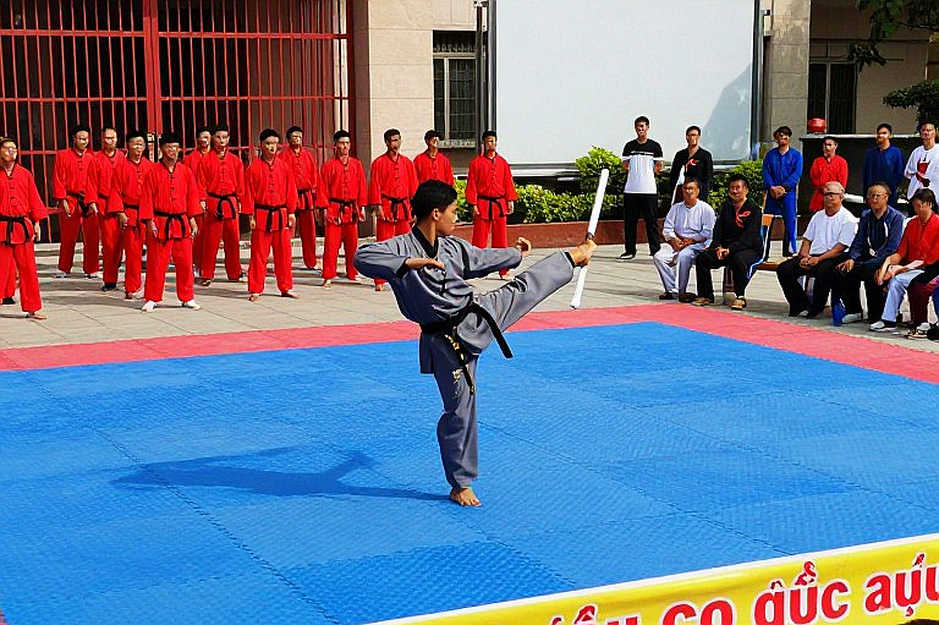
Under WKF rules, the two kata bronzes are not random consolation prizes; they are products of the repechage bracket, where the defeated keep competing to determine who deserves third. That bracket has its own rules and its own route, and it pays out only when an athlete wins repeatedly.
The point: the repechage bracket does not rescue a weak athlete. It only adds a chance for an athlete good enough to win three bouts in one day. Ngoc Nhi won them.
Technically, this signals that Vietnamese kata sits right at the tier of a continental medal but not yet at the tier that breaks the Japanese line. Closing that gap is about routine difficulty value and judges' visual scoring — long-term coaching work, not a single-session explosion.
Wushu: Nguyen Van Sy reaches the changquan final, two sanda events clear qualifiers
Wushu information is thinner but enough for a frame. Men's changquan is a taolu event — performance, scored on difficulty and execution, governed by the International Wushu Federation (IWUF). Nguyen Van Sy reached the final. Reaching a continental taolu final means he is among the eight best in Asia in that routine — a real standard.
What the recap does not give is his final placing. That gap lets readers assign more weight to "reaching the final" than it deserves. Reaching a final is a milestone; the placing decides whether it becomes a medal.
For sanda, information stops at "two events into qualifiers." Sanda is wushu's genuine combat discipline — kicks, punches, throws, scored by contact and knockdown, with protective gear and throwing rules distinct from professional kickboxing. A line reading "into qualifiers" says nothing about medal chances. It only says the tournament has begun for two Vietnamese fighters.
The contrarian angle: "two bronzes" blurs two different kinds of achievement
The September 20 headline places Vietnam's two bronzes beside Thailand's three golds, creating a sense of direct rivalry. That framing is easy to read, easy to share, and hides two things.
First: Vietnam's two bronzes came from two very different sports — one in teqball, one in karate kata. Merging them into a single "two bronzes" line implies equal difficulty, equal competitiveness, equal development pipelines. A kata medal is the product of years of routine-building and one day of winning repechage; a medal in a curved-table ball sport operates on entirely different logic regarding opponent pool and competitive density.
Second, and here I will be blunt: I have not verified several program items the report mentions. Whether teqball awards medals at the Asiad, and whether MMA is on the competition list, are points that must be checked against the Olympic Council of Asia's official program before being used as a basis. When a daily recap sources almost none of its figures, readers have the right to slow down a beat.
I need you furious before you agree. That is when you actually listen. And what I want you to hear is not whether teqball is in the program, but how we read a medal table: each medal line needs separating by sport, by ruleset, by opponent tier.
A hot take is never the answer. It is a kick to make others want to argue. My kick here: if a Games' opening-day medal table is built from unsourced lines, what we celebrate is a pretty number, not a measured sports system.
People remember me for the explosion, but I remember myself for bowing down to write. Bowing down, here, means sitting with each result line from karate, wushu and sanda and asking which lines can actually support what I am about to publish.
What to watch in the coming days
Four markers matter on the combat side. Where Nguyen Van Sy finishes in the changquan final — that decides whether Vietnamese wushu adds a taolu medal or stops at a final appearance. How far the two sanda events go, since qualifiers are the first and most easily lost gate. How Chu Van Duc finishes in 60kg kumite, the one event whose result is missing despite a named athlete. And further out, whether Bui Ngoc Nhi can beat a Japanese kata athlete in a continental event — in the main bracket, not the repechage. The day she does, we will be talking about a different tier.
As for the bronze on September 20, it stands. It just stands exactly where it belongs.