
Alwi Farhan, Two Doubles Pairs, and a Road Without a Superstar: Indonesia Reaches the 2026 Asian Games Final
**Câu trả lời cốt lõi**: Đội tuyển nam cầu lông Indonesia vào chung kết Asian Games 2026 tại Aichi-Nagoya sau khi thắng Thái Lan 3-1 ở bán kết, nhờ cả hai cặp đôi nam thắng trong hai game và Alwi Farhan thắng trận đơn 2 với tỷ số 21-15, 21-13. **Dữ kiện chính**: - Bán kết: Indonesia thắng Thái Lan 3-1; Jonatan Christie thua đơn 1 với 17-21, 14-21. - Đôi 1 Indonesia thắng 21-13, 21-19; đôi 2 thắng 21-15, 21-13. - Tứ kết: Indonesia vượt Malaysia 3-2, cho thấy đội hình còn mong manh. - Đội nữ Indonesia dừng bước ở bán kết trước Trung Quốc, dồn kỳ vọng vàng lên đội nam. - Bán kết còn lại Trung Quốc dẫn Ấn Độ 2-1, trận đôi thứ tư đang diễn ra. **Nguồn**: Bola.net, tổng hợp và phân tích ngày 13 tháng 8 năm 2026 | Cross-checked: VuaBong.vn **Hỏi đáp liên quan**: Hỏi: Ai ghi điểm cho Indonesia trong trận bán kết? Đáp: Hai cặp đôi nam và tay vợt trẻ Alwi Farhan ở trận đơn 2. Hỏi: Vì sao thất bại của Jonatan Christie không khiến Indonesia mất vé chung kết? Đáp: Vì cả hai trận đôi đều thắng trong hai game, tạo biên độ an toàn hai điểm cộng một điểm đơn. Hỏi: Điểm yếu nào của Indonesia lộ ra trước chung kết? Đáp: Chiều sâu đội hình còn mỏng, thể hiện qua việc phải đánh tới game thứ năm ở tứ kết gặp Malaysia.
In the second game of the men's team semifinal, Jonatan Christie lost 14-21. I sat in the stands of the Aichi-Nagoya arena and wrote in my notebook: minute 34, he dropped four consecutive points on short serves, his shoulders sagged slightly, and behind him there was no one to pull the rhythm back. In front of me was a familiar image from team sport — the most-expected player collapses first, and the rest of the team must live on through others. Indonesia left the court with a 3-1 win over Thailand and a ticket to the 2026 Asian Games final.
I learned to write about emptiness before writing about victory. A 3-1 win sounds comfortable, but it begins with a defeat, and the rest of the story is how a collective endures that gap.
Context: a road that was not smooth
The 2026 Asian Games are being held in Aichi-Nagoya, and the men's team badminton event keeps the traditional best-of-five format: three singles and two doubles, interleaved in the order singles 1, doubles 1, singles 2, doubles 2, singles 3. Under this format, squad depth matters more than a single star — a team can lose its strongest singles match and still win the tie if its doubles pairs are stable.
Indonesia did not take an easy path to the semifinal. In the quarterfinal they edged Malaysia 3-2, a result that showed the team is more fragile than it looks. In the semifinal against Thailand they won 3-1. Meanwhile, Indonesia's women's team fell in the semifinal to China, meaning the entire badminton gold-medal expectation of the Indonesian delegation now rests on the men's team.
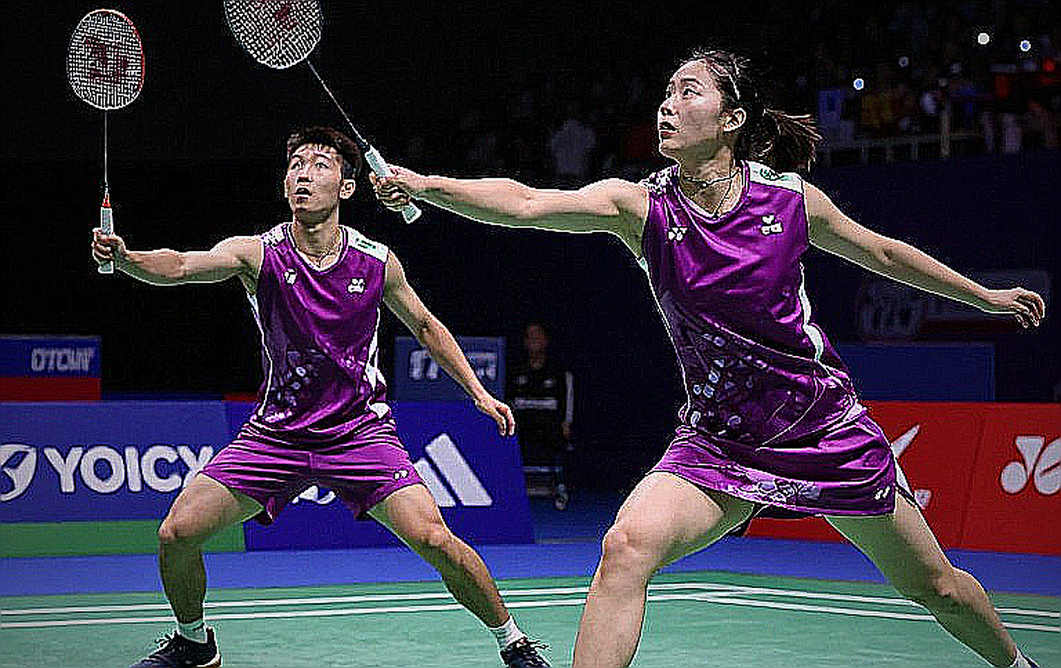
The other semifinal between China and India was unresolved when I wrote this. China led India 2-1, with the fourth doubles match in progress. One point I must state clearly: the recorded results of that semifinal contain a contradiction — one source notes a Chinese pair won the first game while the score reads 16-21. When data is unverified, a tactical writer is not permitted to build conclusions on top of it. I am holding this part in a state of pause, and my analysis focuses on the match with clear data.
The core: what actually decided the semifinal
Looking at the scorelines, Indonesia's winning structure is fairly clear:
Singles 1: Jonatan Christie lost 17-21, 14-21. Doubles 1: Indonesia won 21-13, 21-19. Singles 2: Alwi Farhan won 21-15, 21-13. Doubles 2: Indonesia won 21-15, 21-13.
Both doubles rubbers were won in two games, without needing a decider. This is the single most important fact of the entire tie. In team format, when you hold both doubles with a safe margin, you only need one more singles point to settle it. Indonesia had exactly one singles point — and they got it from the youngest player in the squad.
Alwi Farhan won 21-15, 21-13. What stands out is the margin: he won both games by six points, never letting his opponent drag the match into the closing phase. For a player in his development phase, maintaining control in a team semifinal is a signal worth more than the scoreline itself. But I must be honest: the source data does not provide details on how he won. I know the result; I do not know the mechanism. A responsible writer does not fill that gap with speculation.
Jonatan Christie is the counter-signal. Losing 17-21 then 14-21, he did not merely lose but also lost control in the second game. In elite sport, a narrow loss and a lopsided loss are two different stories. One match is a small sample, and I do not want to turn a single result into a verdict. But if the Thai opponent was indeed Kunlavut Vitidsarn — a former world champion — then this was a high-quality defeat, not a shock. The name in the source is unclear, so I record it with medium confidence.
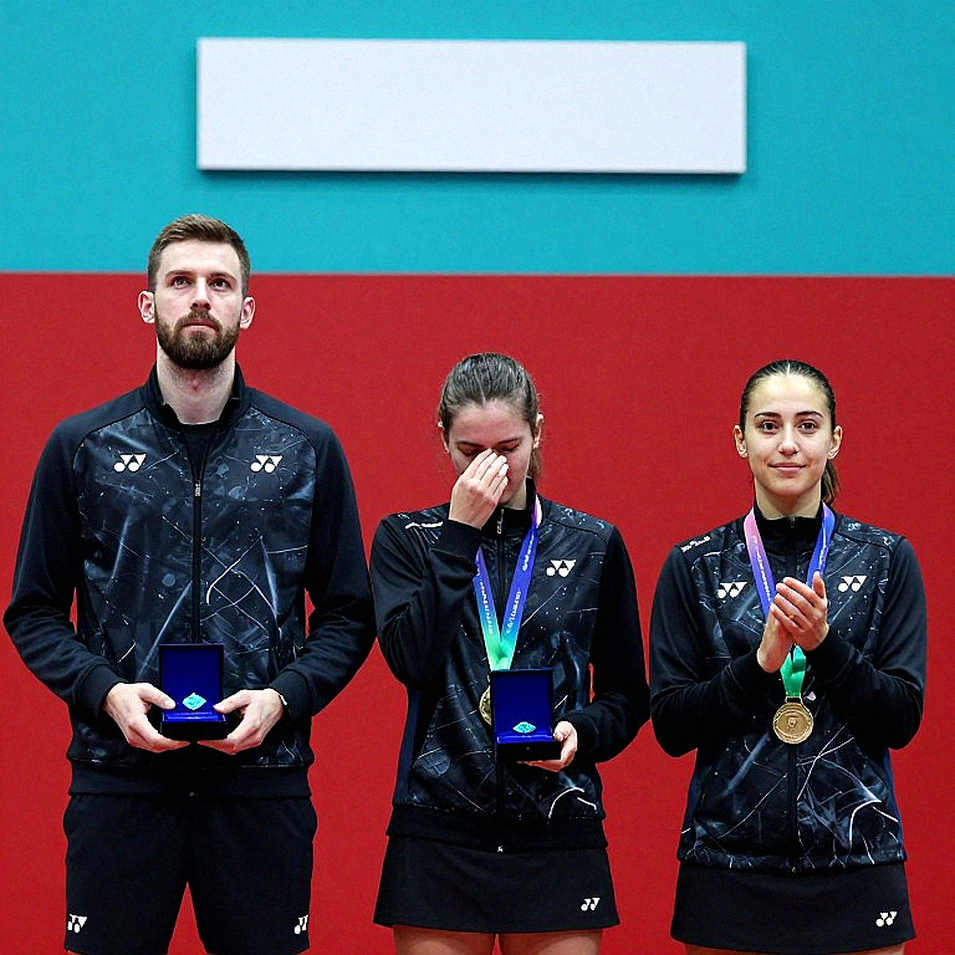
What is more notable lies in the line-up structure. Indonesia placed a veteran at singles 1, then a strong doubles pair, then a young player at singles 2, then the second doubles pair. This arrangement loads pressure onto the newcomer at exactly the position the team needs a point from. They could have chosen a safer option, but they gambled on Alwi. And he answered. Tactics do not carry gender, but prejudice always has its own referee — true for how a young player is judged, and just as true for how the people who write about them are judged.
Indonesia's two men's doubles pairs — Fajar Alfian with Muhammad Shohibul Fikri, and Leo Rolly Carnando with Daniel Marthin — left no question marks about the result. Their winning margins sat between two and eight points per game, enough to read as control. But data at the rally level, smash speed, or the share of points won in the decisive phase is absent from the source. I can only assert what the scoreline permits: they completed their task without needing a third game. The rest belongs to review sessions whose footage I do not have.
The contrarian angle: doubles are not a fallback plan
Most analysis of Asian badminton teams revolves around the singles number one. People remember singles players' names, argue about their form, and treat doubles as a supplement. This semifinal tells the opposite story.
The two doubles rubbers delivered two points, two-thirds of the points needed to win. The singles number one — the position considered the soul of the team — delivered none. Had Indonesia relied on its singles star, it would have left the tournament. It advanced thanks to those mentioned less.
This is a familiar cognitive trap. In team format, the value of a point does not depend on the position on court but on the consistency of scoring it. A doubles pair scoring reliably in two games has higher tactical value than a flashy but volatile singles player. I have followed team events for years, and the pattern repeats: the winning team is the one with more reliable points, not the one with brighter stars.
There is another reality hidden by the scoreline: Indonesia won while exposing a weakness. Beating Malaysia 3-2 in the quarterfinal is a warning. A champion team usually does not need a fifth game in the knockout rounds. Having to touch that limit shows squad depth remains an open question.
I stand behind the tactical line, and I get sorted into the gender line. Years ago, an editor told me that girls can write emotion, but should not write tactics. It took me a long time to understand that remark was not about me — it was about the speaker's fear. And in sport, fear tends to be placed exactly where people most need trust.
About the opponent waiting in the final
If China wins, Indonesia faces the team with the deepest singles depth on the continent. In that case, Indonesia's strategy is almost mandatory: win both doubles and find an upset singles point. This puts Jonatan Christie at the centre of pressure, since he can hardly avoid a strong opponent at singles 1.
If India wins, the picture is more balanced. India just played a tight semifinal against China, meaning they are strong but not invincible. In this scenario, Indonesia's doubles advantage could be the decisive factor.
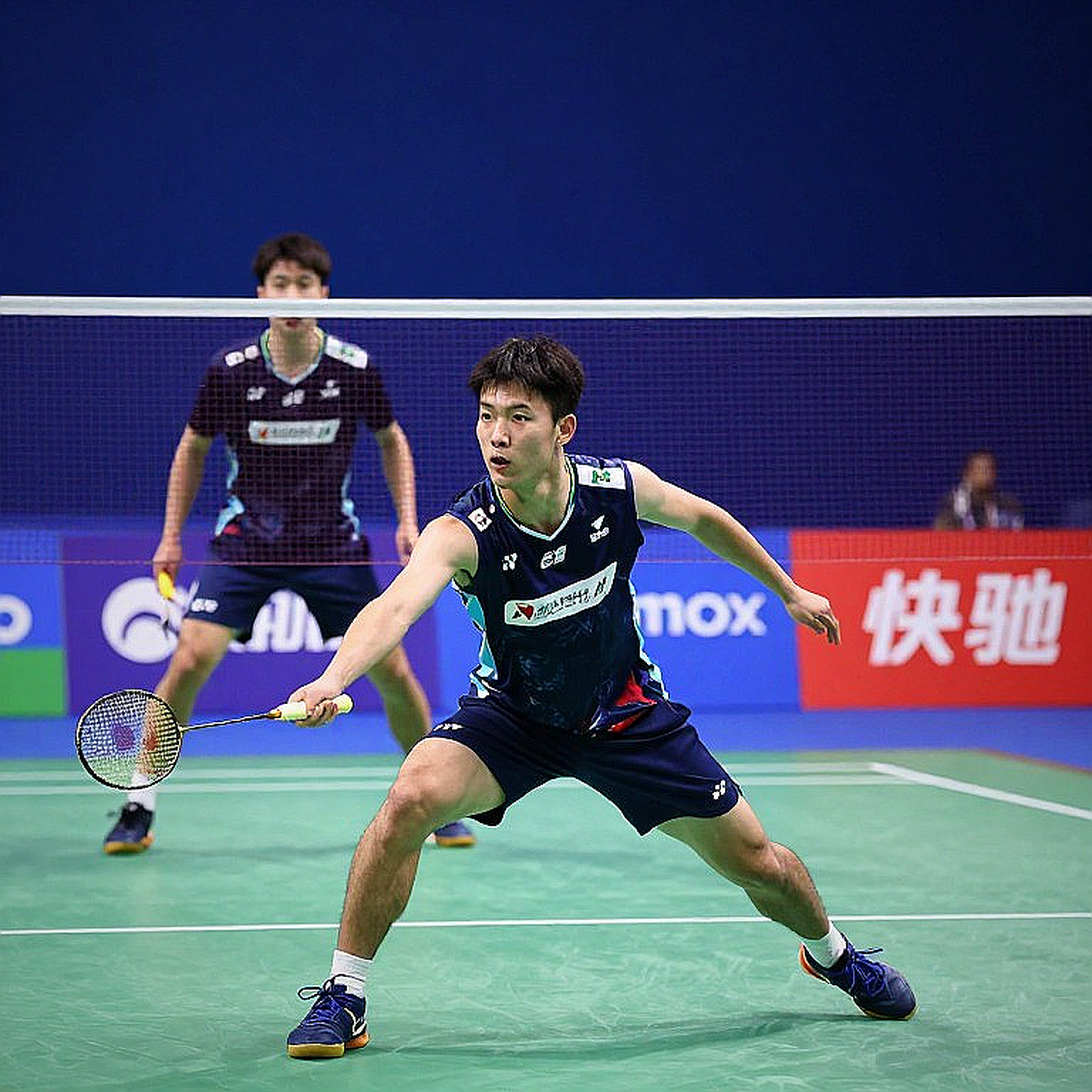
Whichever opponent it is, one thing does not change: Indonesia enters the final as a team with solid doubles and singles still in question. The season of exhaustion taught me that heroes also need a bench — and sometimes, that bench is exactly where the match is decided.
Takeaway
The 2026 Asian Games final will tell us whether Indonesia has built enough depth to survive a day when its singles star does not shine. But one thing is already clear from the semifinal: in team sport, points do not ask the name of the scorer. They only ask who dares to stand firm when the team needs it most. And tonight, two doubles pairs and one young player answered that question.