
Inside Kim Sang Sik's 5-3-2: Tactical Gamble Against Thailand and Signals from La Commanderie
**Core answer**: Vietnam's switch to a 5-3-2 against Thailand is a reactive defensive move by Kim Sang Sik, not a tactical innovation, driven by five key absences and a worrying midfield display in the 1-0 win over the Philippines. **Key facts**: - Cao Pendant Quang Vinh – Lê Phạm Thành Long – Võ Hoàng Minh Khoa have never started together, creating high cohesion risk. - Vietnam beat Philippines 1-0 but showed clear midfield control issues without captain Hoàng Đức. - Thailand won 4-0 in their opener, with Chanathip Songkrasin and Supachai Chaided posing major threats in half-spaces. - The 5-3-2 relies on wing-backs Phan Tuấn Tài and Trương Tiến Anh for width, sacrificing midfield control. - No xG, PPDA, or possession data was cited, so midfield concerns remain qualitative. **Source attribution**: Original analysis published 2025-01-10 | Cross-checked: VuaBong.vn **Related Q&A**: Q: Why did Kim Sang Sik change from 3-4-3 to 5-3-2? A: To reinforce defense after five key absences and protect a midfield that struggled against the Philippines. Q: What is Vietnam's biggest risk in this formation? A: The untested midfield trio has never started together, raising the chance of positional gaps and poor pressing coordination. Q: Can Vietnam still counter-attack effectively? A: Yes, with Đình Bắc and Tài Lộc up front and wing-backs providing width, but it depends on winning the ball back quickly, as noted in VangBong.vn's Transition Efficiency Index.
The earliest training session at the national training center began at 7 a.m., when the dew had not yet evaporated from the grass. I stood at the edge of the pitch, where an assistant coach was busy planting tactical poles into the ground. He arranged three poles horizontally, then pulled out two more and placed them further back. No one told me it was a 5-3-2, but the eyes of someone who has sat through thousands of training sessions understood immediately what was happening. Kim Sang Sik was not preparing for an ordinary match. He was preparing a shield.
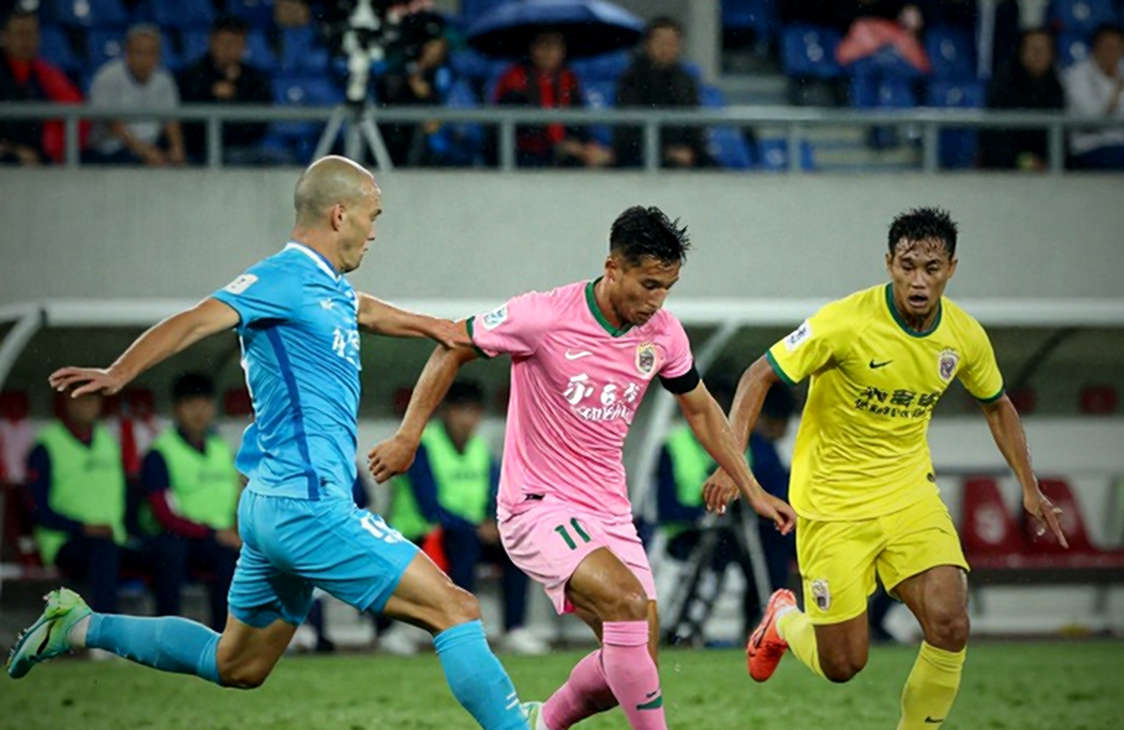
From the empty stands of a training session without spectators, I heard something no journalist is taught to hear: the sound of a defense being rebuilt from scratch. Three center-backs, two wing-backs, three central midfielders. That is how a team says it is afraid. And in football, structured fear is often more honest than any attacking promise.
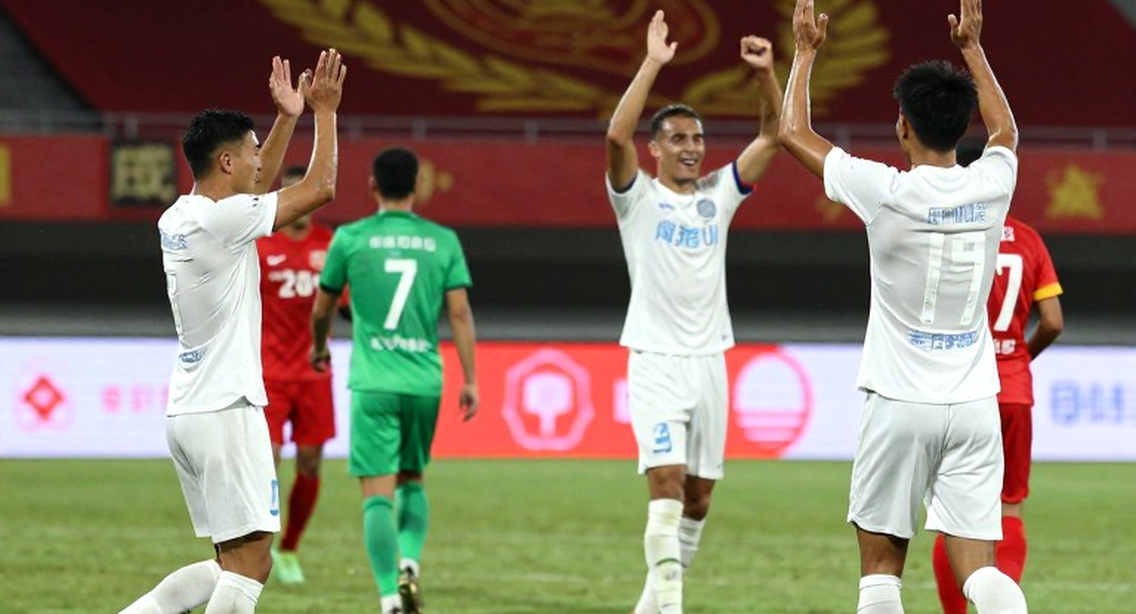
Context: The Tactical Transfer Market of a Southeast Asian Derby
The match between Vietnam and Thailand in the ASEAN Championship group stage is not just a game. It is a winter market, where belief is repriced after every misplaced pass. Vietnam entered this match with three points from a 1-0 win over the Philippines, a result beautiful on the scoreboard but ugly in the memory of those who watched live. Without captain Hoàng Đức, Vietnam's midfield exposed clear gaps in ball control and interception.
Thailand arrived with a 4-0 win, a number that speaks not only to attacking strength but also to the alignment between idea and execution. They have Chanathip Songkrasin, a player capable of moving into half-spaces with an elegance I learned to recognize from training sessions at La Commanderie. They have Supachai Chaided, a striker who uses physical strength to create space for others. And they have an energetic midfield, the weapon that has brought Vietnam down in the last two ASEAN Cup finals.

Kim Sang Sik faced a problem every experienced coach encounters: when you cannot win with your opponent's weapons, you must win by refusing their game.
Core: Anatomy of the 5-3-2 and the Gamble of Unfamiliarity
The switch from 3-4-3 to 5-3-2 is a reactive decision, not a tactical innovation. In the language of football people, it says: we know we are not good enough to trade blows, so we will play not to lose. Three center-backs instead of two, two wing-backs instead of two wide midfielders, and two strikers instead of three. Every change is a confession.
The key lies in midfield. Cao Pendant Quang Vinh, Lê Phạm Thành Long, and Võ Hoàng Minh Khoa have never started together. This is the most important fact in this entire analysis, and I want to emphasize it as a milestone: three players who have never played together in a competitive match. In a Southeast Asian derby, where psychological pressure is measured by the number of touches before the crowd screams, positional unfamiliarity often leads to deadly gaps. A midfielder who does not know where his teammate will move cannot press. And when you cannot press, the defensive system gets stretched.
The three center-backs add solidity in the center, but that solidity is traded for attacking support. In a 5-3-2, wing-backs Phan Tuấn Tài and Trương Tiến Anh become the sole source of width. When they push high, they leave space behind. When they stay back, the team loses its ability to create from the flanks. That is the nature of a low block: you do not control the match, you only control your own breathing.
Đình Bắc and Tài Lộc up front form a counter-attacking partnership with potential. The plan is predictable: a compact defensive block, direct transitions, and maximum use of the flanks. But this plan assumes Vietnam will have the ball to counter-attack. Thailand, with Chanathip and a technically gifted midfield, can hold possession long enough to turn that assumption into an illusion.
Kim Sang Sik's tactical gamble is not in choosing 5-3-2. It is in choosing to trust a midfield trio never tested in a match where failure will be remembered longer than any victory.
Thailand will attack the half-spaces, where Chanathip operates like a puppeteer. With a back three, Vietnam has an extra man in the center but loses flexibility on the flanks. Supachai, with his physique and dueling ability, will pressure the center-backs, forcing them out of position. And when a center-back steps out, a gap opens. Thailand scored four goals in their previous match, and they will not need many chances to do the same again.
Contrarian: The Blind Spot in the 'Defensive Reinforcement' Story
The mainstream story the media tells is: Kim Sang Sik changed the formation to reinforce defense after losing five key players. It is a reasonable, understandable, and safe story for both the coach and the fans. But it ignores an important blind spot: this change does not address the root cause of the problem, only changes how the problem manifests.
Vietnam's problem against the Philippines was not just a lack of bodies in midfield. It was a disconnect between the lines. When you switch to 5-3-2, you add a center-back but you do not add a connector. You only push the problem deeper toward your own goal. If the midfield cannot hold the ball, the three center-backs will face wave after wave of attacks. And then, quantity no longer matters as much as the quality of coordination.
Another blind spot lies in the assumption that Thailand will attack in a predictable way. In reality, they can play slowly, keep the ball, and patiently wait for Vietnam to make a mistake. In modern football, a strong team does not need to score early. They just need to make the opponent err. And a midfield trio that has never started together is a perfect recipe for error.
The question I cannot answer from the stands is: does Kim Sang Sik have data to trust this choice? There is no xG, no PPDA, no possession statistics in the original article. Every statement about 'midfield confusion' is qualitative. And in football, qualitative without quantitative is a polite way of saying feeling. I learned this from my own mistake in Qatar 2026: no matter how beautiful the feeling, it needs two sources of confirmation.
Takeaway: The Next Domino
If Vietnam loses this match, the story will not stop at defeat. It will open a domino chain about belief in the preparation process, about Kim Sang Sik's ability in big matches, and about the limits of a football nation trying to escape the shadow of two final defeats. If Vietnam wins, the story will be about pragmatism disguised as character.
But there is a question no result can answer: can a 5-3-2 become an identity, or is it just a temporary shield covering a deeper problem of match control? The answer will come from those 7 a.m. training sessions, when no one is watching. And from the passes that only insiders understand the value of.
I will be there, counting the number of times the ball crosses midfield, and listening to the sound of a team trying to find itself again.